Easter 2026 is April 5, and the right flower delivery can transform your space into a spring meadow. Here's how to choose blooms that last beyond Sunday.
Easter flower delivery isn’t just about ordering whatever’s labeled “spring collection.” The holiday lands on April 5 in 2026, which means you’re working with early spring blooms – flowers that naturally peak when temperatures are still cool and gardens are just waking up.
Lilies, tulips, daffodils, and hyacinths dominate Easter flower delivery because they’re bred to thrive in that specific temperature range. They open slowly, hold their shape longer, and typically last a full week or more when they’re fresh at delivery. Compare that to summer flowers forced into early bloom, which often fade within three days.
The “spring meadow” aesthetic you’re seeing in fresh flower delivery right now leans into this seasonal timing. It’s less about tight, formal arrangements and more about recreating that loose, natural look you’d find in an actual field – soft pastels, plenty of greenery, stems at varying heights. It feels less constructed and more organic, which happens to showcase early spring varieties at their absolute best.
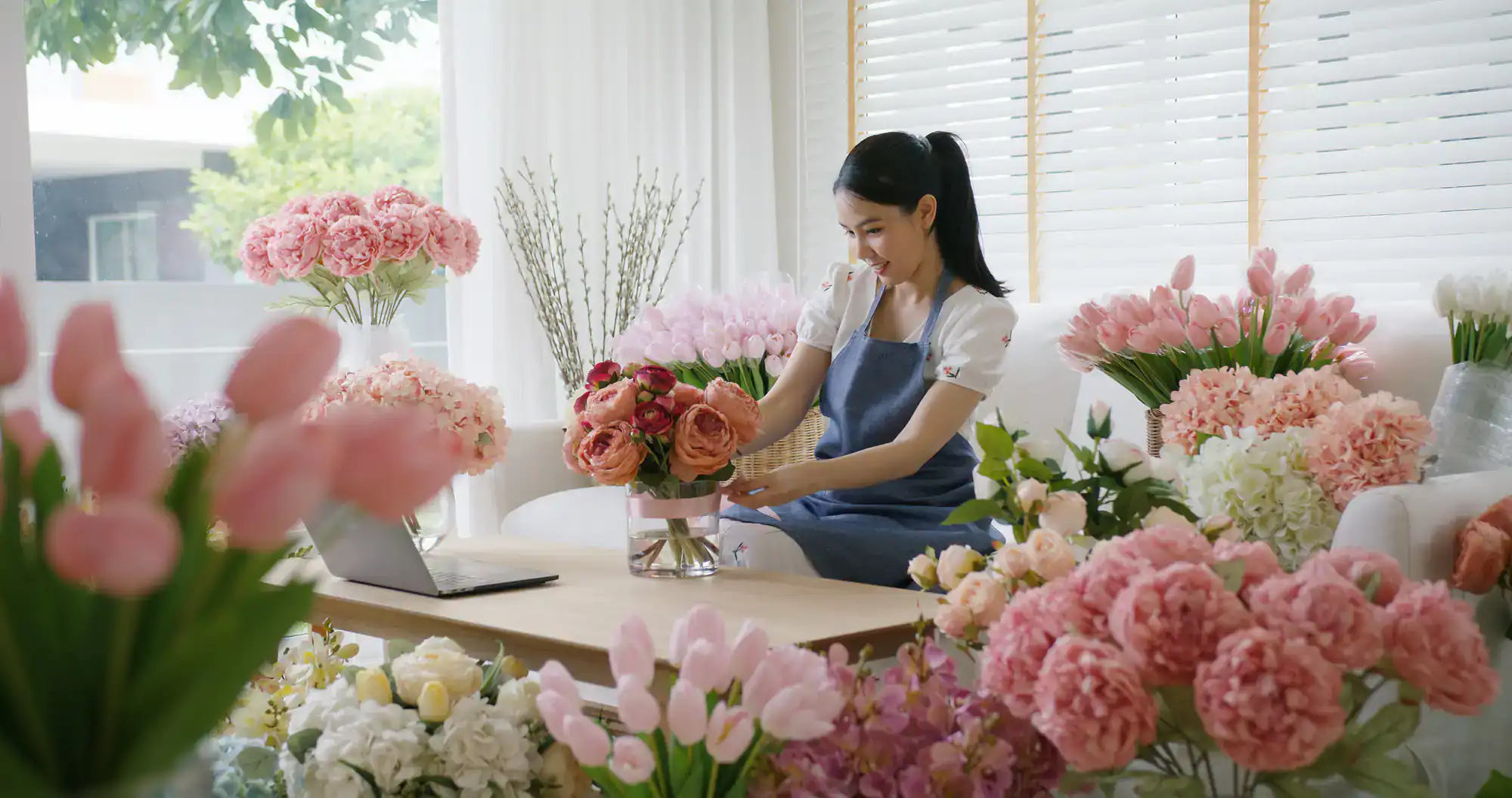
Not all Easter flowers perform equally when it comes to longevity. If you’re ordering flower delivery for Friday or Saturday and need arrangements that look fresh through Sunday brunch and beyond, here’s what holds up in real-world conditions.
Tulips are solid performers when cut fresh for delivery. You want tight buds with color just starting to show – not fully open blooms that’ll drop petals by day three. They continue opening over the next few days, which means you watch them transform. Expect 5-7 days in a vase with clean water and a cool room. They do bend toward light, so rotate your vase daily if you want them standing straight.
Daffodils are practically indestructible in flower delivery. Their thick stems and waxy petals mean they handle a bit of neglect without wilting. You’re looking at 7-10 days easily, sometimes longer. The downside? They release a sap that can shorten the life of other flowers, so if you’re mixing varieties in one vase, let daffodils sit in their own water for a few hours first before combining them with tulips or roses.
Easter lilies are the traditional choice for good reason. Those trumpet-shaped white blooms can last up to two weeks if kept cool and away from direct sunlight. They’re fragrant – sometimes intensely so – which is either a selling point or a dealbreaker depending on your sensitivity to scent. Just know that lily pollen stains fabric permanently, so remove the stamens if you’re placing arrangements near upholstery or white linens.
Hyacinths bring serious fragrance and come in soft purples, pinks, and whites that fit the Easter palette perfectly. They last about a week in fresh flower delivery arrangements. The scent can fill an entire room, which is lovely until it becomes overwhelming – consider placement carefully if strong florals give you headaches.
Roses aren’t traditional Easter flowers, but spring varieties in soft peach, blush, and cream tones work beautifully in meadow-style flower delivery. Garden roses especially – the ones with lots of petals and a looser, more romantic form – blend well with tulips and seasonal greenery. They’ll give you 5-7 days, sometimes more if they’re cut at the right stage and kept cool.
Daisies and alstroemeria are workhorses in spring flower delivery. They’re not flashy, but they last. Two weeks isn’t uncommon. They fill out arrangements nicely and keep looking fresh when showier blooms like lilies start to fade, which makes them valuable for arrangements you need to last well beyond Easter Sunday.
Ordering Easter flower delivery in NYC means navigating same-day delivery cutoffs, Midtown building access protocols, and the very real risk of getting an arrangement that looks nothing like the online photo. Here’s how to avoid the common problems that plague flower delivery during peak seasons.
Timing matters more than most people realize with same-day flower delivery. We offer same-day delivery if you order before 2 PM on weekdays. That’s not a suggestion – it’s a hard cutoff based on route planning, traffic patterns, and the physical time required to hand-arrange fresh flowers. If you’re ordering Easter flower delivery for Sunday, April 5, place your order by Thursday or Friday to avoid the weekend rush and ensure you get the exact varieties you want. Saturday orders are possible but expect earlier cutoffs, sometimes as early as noon or 11 AM.
Local florists in Midtown beat national flower delivery services almost every time. The big-name delivery companies use wire services, which means your order gets passed to a random local fulfillment shop that may or may not match the arrangement you saw online. You’re also paying wire fees – sometimes 20-30% of your total – that don’t go toward your actual flowers. We source fresh stems daily from the NYC flower market on 28th Street, arrange them in-house, and deliver directly without middlemen. No surprises, no substitutions you didn’t approve.
Building delivery in Manhattan requires specific local knowledge that national services don’t have. Doormen, security desks, freight elevator requirements, lobby restrictions – these aren’t small details when you’re paying for flower delivery. We’re familiar with Midtown buildings and know which ones require advance notice, which ones accept deliveries only during certain hours, and how to navigate the logistics without your Easter flowers sitting in a lobby for three hours. When you order, include the recipient’s floor number, suite number, and direct phone number. It speeds up delivery and dramatically reduces the chance of flowers ending up at the wrong desk or building entirely.
Substitutions happen during peak flower delivery seasons like Easter, Valentine’s Day, and Mother’s Day. Flowers are agricultural products – supply fluctuates based on weather in growing regions, shipping delays, and sudden demand spikes. We’ll reach out if a specific bloom isn’t available rather than just swapping in whatever’s on hand and hoping you don’t notice. If you’re ordering online, check whether the shop allows substitutions and how they handle them. “Designer’s choice” can mean a creative alternative of equal or better quality, or it can mean a downgrade – it depends entirely on who’s making the call.
Photos on flower delivery websites can be misleading. Not intentionally, but professional styling, perfect lighting, and careful angles make arrangements look fuller and more vibrant than they often appear when delivered to your door. Read reviews that specifically mention whether the delivered product matched expectations. Look for shops that post real customer photos alongside studio shots. If you’re spending $100+ on an Easter centerpiece for delivery, it’s worth describing exactly what you want rather than relying solely on a website image that might be two years old.
Want live answers?
Connect with a Columbia Midtown Florist expert for fast, friendly support.
The spring meadow aesthetic is everywhere in flower delivery right now – and for good reason. It’s softer and more natural than traditional formal arrangements, more forgiving if a stem or two fades early, and it actually looks better as it settles and opens over several days rather than worse.
The key to meadow-style flower delivery is variety and texture. You’re mixing heights, bloom sizes, and foliage types to mimic how flowers grow naturally in a field rather than in tight, controlled rows. Think tulips at different stages of opening, wispy grasses or ferns for movement, maybe some flowering branches if you can find them in early April. The color palette stays soft – pastels, creams, muted greens – but you create visual interest through shape and movement rather than bold color contrasts.
Containers matter more than you’d think with fresh flower delivery. Heavy glass vases work fine, but consider ceramic pitchers, vintage crocks, or even galvanized metal buckets for a more organic, just-picked-from-the-garden feel. The vessel shouldn’t compete with the flowers – it’s there to ground the arrangement and add to the overall meadow vibe without stealing attention from the blooms themselves.
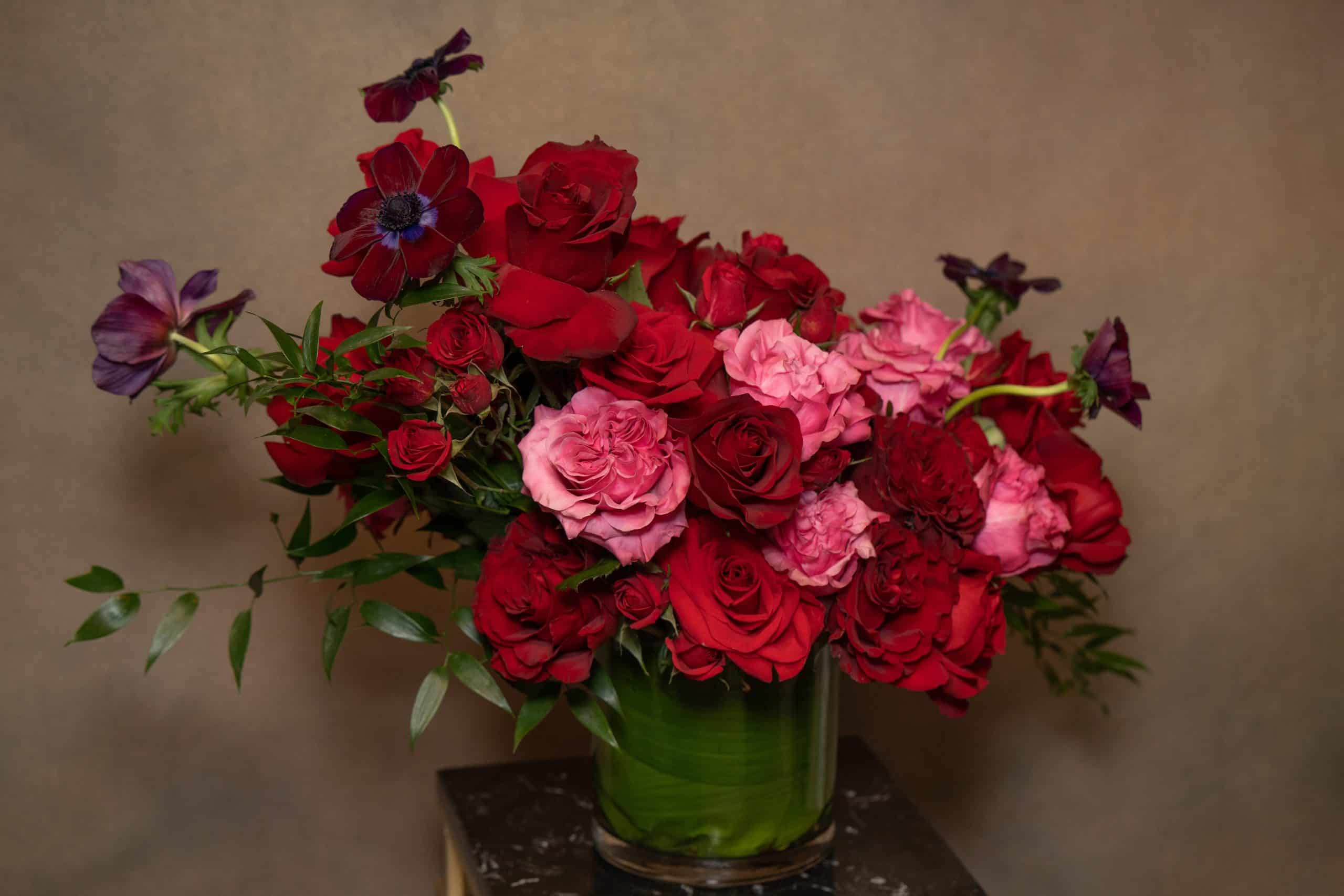
Easter falls on April 5 in 2026, which puts you right in the sweet spot for early spring flower delivery. This is when certain blooms are at their absolute peak – fresh from growers, abundant in supply, and priced reasonably because they’re in season rather than forced or imported from distant growing regions.
Tulips are everywhere in early April flower delivery. You’ll see them in every color imaginable, but for Easter, soft pinks, creamy whites, lavender, and pale yellows fit the spring theme best. French tulips have longer stems and a more elegant, graceful droop. Parrot tulips feature ruffled, almost feathery petals that add incredible texture to arrangements. Standard tulips are reliable, classic, and affordable. All of them perform exceptionally well in early April delivery because that’s when they’re naturally blooming in fields, not greenhouses.
Daffodils and narcissus varieties hit their peak in early April. You’ll find everything from classic yellow trumpet daffodils to delicate white paperwhites and multi-headed varieties with clusters of small, fragrant blooms. They’re cheerful without being overly bright, and they signal spring more clearly than almost any other flower available for delivery. They’re also incredibly hardy – they’ll outlast nearly everything else in a mixed arrangement.
Hyacinths are just hitting their stride for Easter flower delivery in early April. The fragrance is strong – almost grape-like with sweet undertones – and the dense flower spikes come in purple, pink, white, and occasionally true blue. They’re often sold as potted bulbs for Easter, but cut stems work beautifully in arrangements if your florist can source them fresh. The scent alone can fill a room, so one or two stems go a long way.
Ranunculus are having a serious moment in spring flower delivery. These aren’t traditional Easter flowers, but they’re in season and they’re stunning. Layers upon layers of paper-thin petals in soft peach, blush, cream, and white create an almost rose-like appearance but with more delicate texture. They look fragile but actually last quite well – 5-7 days in arrangements. If you want something a bit more modern and romantic mixed into your Easter delivery, ranunculus deliver serious visual impact.
Flowering branches – pussy willow, forsythia, cherry blossom, quince – are abundant in early April and add dramatic height to flower delivery arrangements. They bring that outdoor, just-cut-from-the-garden feel that’s central to the meadow aesthetic. They also last forever compared to cut flowers. Two weeks or more in water, and some varieties will even develop leaves and continue growing, which is a bonus if you like watching your arrangement evolve.
Anemones show up in early spring flower delivery with their distinctive dark centers and delicate, poppy-like petals. White anemones with black centers are particularly striking in Easter arrangements – they add a contemporary, almost graphic edge. They’re not as common as tulips or lilies in delivery options, but they’re worth seeking out if you want something less traditional that still feels seasonal and fresh.
Easter week is one of the busiest times for flower delivery, right behind Valentine’s Day and Mother’s Day. That volume creates specific problems you can completely avoid if you know what to watch for when ordering.
Waiting until the last minute is the most common mistake with Easter flower delivery. By Saturday, April 4, most quality florists will be sold out of premium stems or operating on severely limited inventory. You might still get flowers delivered, but you won’t have any choice in variety, style, or even color palette. Thursday or Friday orders give you better selection, more reliable delivery windows, and fresh stems that haven’t been sitting in coolers for days.
Ordering from unfamiliar national flower delivery services without reading recent reviews is genuinely risky. The horror stories are real – wilted flowers, completely missed deliveries, arrangements that look nothing like the website photos. Stick with local Midtown shops that have current reviews specifically mentioning timely Easter or Mother’s Day delivery and quality that matched expectations. If a florist has dozens of one-star reviews about holiday delivery disasters, believe those customers.
Skipping detailed delivery instructions costs you time and creates unnecessary stress. If you’re sending flower delivery to an office building in Midtown Manhattan, the recipient’s name alone isn’t enough information. You need floor number, suite number, company name, and a direct contact. Without those details, your delivery driver is guessing, and your Easter flowers might sit at the wrong reception desk for hours or get returned to the shop entirely.
Ignoring hidden fees at checkout is frustrating but extremely common with online flower delivery. Delivery charges, service fees, holiday surcharges, “care and handling” fees – they add up shockingly fast. A $60 arrangement can become $95 by the time you reach the final payment screen. Local florists tend to be more transparent about total delivery costs upfront. National services often bury fees until the very last checkout step, which feels deceptive because it is.
Choosing arrangements featuring out-of-season flowers sets you up for disappointment with Easter delivery. If you’re seeing peonies heavily featured in early April arrangements, be skeptical. Peonies peak in late May and June. You might get them in early April, but they’re likely imported, expensive, and not at their best quality or longevity. Stick with flowers that are naturally in season for early April – tulips, daffodils, lilies, hyacinths, ranunculus – and you’ll get dramatically better quality and value from your flower delivery.
Assuming all “same-day delivery” promises are created equal is a mistake. Some flower shops mean “delivered by end of business day” which could be 7 PM. Others mean “delivered within a 4-hour window” which gives you much more control. If timing matters – say, you need flowers to arrive before a 2 PM Easter brunch – confirm the specific delivery window when you order. Don’t assume the shop knows your timeline or will prioritize your delivery without being asked.
Easter flowers should feel like spring – fresh, natural, and worth every dollar you invest. That means ordering from florists who source fresh blooms daily, deliver reliably throughout Midtown and Manhattan, and understand that timing and quality aren’t negotiable in a city that moves as fast as New York.
The spring meadow look works because it’s both forgiving and genuinely beautiful. Tulips, daffodils, lilies, and seasonal greenery arranged with a light, natural touch. Flowers that are actually in season in early April, not forced into bloom weeks ahead of their natural cycle or shipped from another hemisphere. Delivery that shows up when promised, to the correct address, looking like what you ordered online.
If you’re ordering flower delivery for Easter Sunday on April 5, don’t wait until the last minute. The best seasonal stems go fast during peak weeks, and same-day delivery windows fill up quickly. We source fresh spring blooms daily from NYC’s flower market and deliver throughout Midtown Manhattan with same-day service for orders placed before 2 PM – because Easter flower delivery shouldn’t add stress to your holiday.
Summary:
Article details:
Share: