St. Patrick's Day flowers deserve more than 48 hours of glory. These seven practical tips help your green hydrangeas and bells of Ireland stay vibrant all week long.

You don’t need the luck of the Irish to keep your flowers alive; you just need to stop treating the water like a “set it and forget it” situation. Trimming the stems, scrubbing the vase, and keeping them away from the fruit bowl will save you from the heartbreak of a day-three wilt. Your flowers are living things, and a little attention goes a long way in Manhattan’s dry apartments.
Remember: if the water looks like something you’d find in a swamp, change it! Fresh, clean, lukewarm water is the foundation of any long-lasting arrangement. If you follow these seven steps, your St. Paddy’s Day blooms will likely outlast your leftovers from the holiday dinner.
If you want to start with the freshest possible stems, we source ours daily from the Flower District to make sure they’re ready for the long haul.
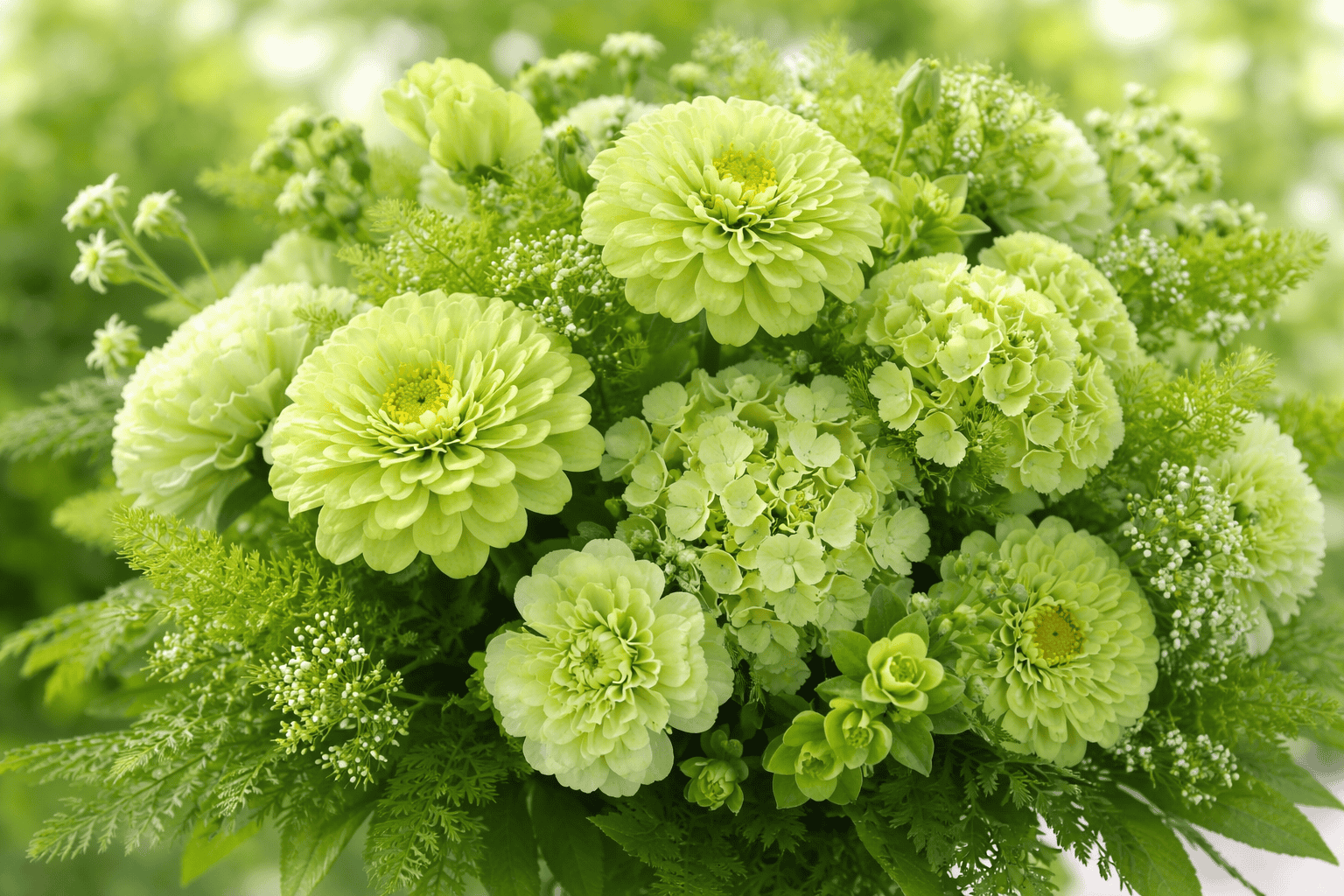
If your hydrangeas look like they’ve given up on life, don’t toss them yet—they might just be dehydrated. Hydrangeas actually drink through their petals as well as their stems (hence the name “hydro”). If the heads are drooping, they probably have an air bubble in the stem that is blocking water flow.
First, try the “submersion” trick. Fill a sink with lukewarm water, re-cut the stems, and dunk the entire head of the flower underwater for about 30 minutes. It sounds like you’re drowning them, but they’ll actually soak up the moisture through the petals and firm right back up. It’s the closest thing to a miracle in the floral world.
If that’s too much work, try the “boiling water” method (yes, really). Pour about an inch of boiling water into a mug, re-cut the stems, and stick them in for 30 seconds. The heat forces the air bubbles out of the stem. Then, immediately move them back into their regular vase with lukewarm water. You’ll see them “wake up” within a few hours, looking like they just had a shot of espresso.
Bacteria is the silent, slimy killer of cut flowers. It clogs the stems, turns the water cloudy, and smells like a swamp within 48 hours. If you can see “stuff” floating in the vase, your flowers are basically trying to drink through a clogged filter, and they won’t last the night.
Before the flowers even touch the glass, scrub that vase with hot, soapy water. If you’ve used it for previous arrangements, there’s likely microscopic mold or bacteria lingering in the corners. A quick rinse with a drop of bleach is the professional “secret” to making sure your flowers start their life in a sterile environment.
Once the party has started, change the water every two days. When you do, give the stems a quick rinse and the vase a fresh scrub. If you received “flower food” with your delivery, don’t dump the whole packet in at once—use a little bit with every water change. That packet is a mix of sugar to feed them, acid to balance the pH, and bleach to keep the “bad guys” away.
Want live answers?
Connect with a Columbia Midtown Florist expert for fast, friendly support.
Where you put your vase is just as important as how you water it. If you put your flowers in direct sunlight or on top of a radiator, you’re basically putting them in a slow-cooker. Heat causes flowers to lose moisture through their petals faster than they can suck it up through their stems, leading to “The Great Wilt.”
Keep your arrangement in a cool, draft-free spot. Avoid the top of the TV, near the toaster, or right under an AC vent. A steady, cool temperature (around 65–70 degrees) is the sweet spot. If you want them to look amazing for a dinner party, keep them in a cooler room until guests arrive—they’ll stay much tighter and more vibrant.
Now, for the weirdest tip: keep your flowers away from the fruit bowl. Ripening fruit (especially bananas and apples) releases ethylene gas, which is a “death hormone” for flowers. It tells the blooms to mature and drop their petals immediately. Unless you want your St. Paddy’s roses to look like they’ve aged 50 years overnight, keep the fruit in the kitchen and the flowers in the living room.

Ever wonder why flower shops have giant glass refrigerators? It’s because cold temperatures put flowers into a state of “suspended animation.” It slows down their metabolism and prevents them from blooming too quickly. You can actually replicate this at home if you have the fridge space and aren’t worried about your roommates judging you.
If you have a big event coming up or just want your roses to last ten days, put the whole vase in the fridge overnight. Just make sure the temperature isn’t set to “freeze” (38 degrees is perfect) and that there are no apples nearby. It’s like a fountain of youth for your bouquet, and it’s how we keep same day flowers looking “market fresh” regardless of the weather.
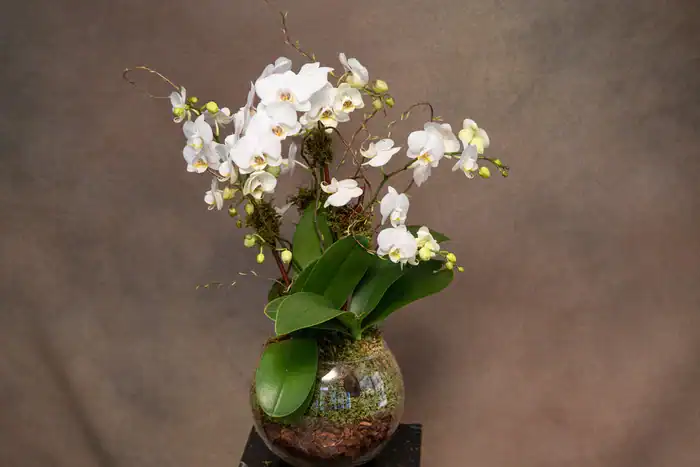
This trick is especially effective for hardier blooms like roses, carnations, and greenery. Tropical flowers like orchids, however, will absolutely hate the cold and turn black, so keep the exotic stuff out of the crisper drawer. For your St. Patrick’s Day Bells of Ireland, a nightly “chill” will keep them standing tall and green for much longer.
If your hydrangeas look like they’ve given up on life, don’t toss them yet—they might just be dehydrated. Hydrangeas actually drink through their petals as well as their stems (hence the name “hydro”). If the heads are drooping, they probably have an air bubble in the stem that is blocking water flow.
First, try the “submersion” trick. Fill a sink with lukewarm water, re-cut the stems, and dunk the entire head of the flower underwater for about 30 minutes. It sounds like you’re drowning them, but they’ll actually soak up the moisture through the petals and firm right back up. It’s the closest thing to a miracle in the floral world.
If that’s too much work, try the “boiling water” method (yes, really). Pour about an inch of boiling water into a mug, re-cut the stems, and stick them in for 30 seconds. The heat forces the air bubbles out of the stem. Then, immediately move them back into their regular vase with lukewarm water. You’ll see them “wake up” within a few hours, looking like they just had a shot of espresso.
You don’t need the luck of the Irish to keep your flowers alive; you just need to stop treating the water like a “set it and forget it” situation. Trimming the stems, scrubbing the vase, and keeping them away from the fruit bowl will save you from the heartbreak of a day-three wilt. Your flowers are living things, and a little attention goes a long way in Manhattan’s dry apartments.
Remember: if the water looks like something you’d find in a swamp, change it! Fresh, clean, lukewarm water is the foundation of any long-lasting arrangement. If you follow these seven steps, your St. Paddy’s Day blooms will likely outlast your leftovers from the holiday dinner.
If you want to start with the freshest possible stems, we source ours daily from the Flower District to make sure they’re ready for the long haul.
Summary:
Article details:
Share: