Sending Mother's Day flowers in NYC isn't just about picking a bouquet—it's about timing, messaging, and delivery etiquette that actually works in Manhattan.
You remembered Mother’s Day. That’s step one. But between choosing flowers, writing a card message that doesn’t sound generic, and figuring out delivery timing in a city where “same-day” can mean a dozen different things—there’s more to navigate than you might think. Getting flowers delivered on Mother’s Day isn’t complicated, but there are a few unspoken rules that separate a thoughtful gesture from one that misses the mark. Whether you’re sending to your mom in Midtown, your mother-in-law in Brooklyn, or trying to remember which maternal figures in your life deserve recognition, this guide walks you through what matters—and what doesn’t.
The short answer is anyone who’s been a maternal figure in your life. Your mom, obviously. But Mother’s Day has expanded beyond biological mothers to include the women who’ve shown up, supported, and cared in ways that matter.
Grandmothers, stepmothers, mothers-in-law, aunts who raised you, close family friends who filled a mothering role—they all count. If she’s played a part in your life that feels maternal, she deserves flowers. The key is being intentional about it. Don’t send flowers out of obligation. Send them because you mean it.
One thing to keep in mind: if you’re married or in a long-term relationship and have kids, the mother of your children should be at the top of your list. Forgetting that one doesn’t end well. Beyond that, think about the women who’ve shaped your life and start there.
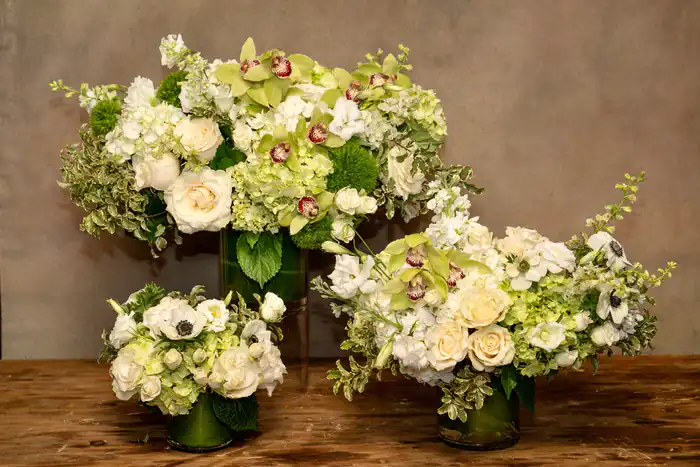
If you’re lucky enough to have multiple maternal figures in your life—your mom, your partner’s mom, your grandmother—you might wonder if you need to send different arrangements to each person. The answer depends on your relationships and your budget.
There’s no rule that says every arrangement has to be identical. In fact, personalizing each one based on the recipient’s taste can make the gesture feel more thoughtful. Your mom might love bold, colorful arrangements while your mother-in-law prefers something more understated. Paying attention to those preferences shows you’re not just checking a box.
That said, if you’re sending similar arrangements to avoid overthinking it, that’s fine too. What matters more than the specific flowers is the card message and the fact that you remembered. A sincere, personal note carries more weight than an extra stem or a fancier vase.
If budget is a concern, consider sending flowers to one person and planning something else for the others—a phone call, a handwritten note, or even just showing up. Not every gesture needs to cost money, but every gesture should feel genuine.
The one situation where you do need to be careful is if you’re sending flowers to both your mom and your partner’s mom and the arrangements are noticeably different in size or quality. That can create awkwardness. If you’re sending to both, keep them relatively comparable unless you have a very specific reason not to.
And if you’re wondering whether to send flowers to your wife or partner on Mother’s Day, the answer is yes—especially if you have kids together. That’s not optional.
There are times when sending flowers isn’t the right move, and it’s worth knowing when to hold back. If your relationship with your mother or a maternal figure is strained or complicated, you’re not obligated to send flowers just because it’s Mother’s Day. A forced gesture can feel worse than no gesture at all.
If you’re estranged or working through a difficult period, it’s okay to skip the flowers. You can acknowledge the day in a different way—a simple text, a card, or nothing at all if that’s what feels right. Don’t let societal pressure push you into a gesture that doesn’t align with where you actually are in the relationship.
Another situation where flowers might not be the best choice is if the recipient has explicitly said she doesn’t want them. Some people genuinely don’t like receiving flowers—they see them as wasteful, high-maintenance, or just not their thing. If that’s the case, respect it. Send a plant, a gift card, or plan an experience instead.
There’s also the question of timing. If you know the recipient won’t be home on Mother’s Day or the days leading up to it, sending flowers might not make sense. A beautiful arrangement sitting outside a locked apartment doesn’t accomplish much. In that case, coordinate delivery for when she’ll actually be there to enjoy them, even if it’s a few days late.
Finally, if someone has recently lost their mother, sending flowers on Mother’s Day can be a thoughtful gesture—but it can also be painful. If you’re not sure, a simple message acknowledging that the day might be hard can mean more than flowers. Read the room and act accordingly.
The bottom line: flowers are a gesture, not a requirement. If sending them doesn’t feel right for any reason, trust that instinct.
Want live answers?
Connect with a Columbia Midtown Florist expert for fast, friendly support.
This is where a lot of people freeze up. You want to say something meaningful, but you don’t want it to sound over-the-top or like you copied it from a greeting card. The truth is, your mom doesn’t need a perfectly crafted message. She just wants to know you’re thinking about her.
Start with something simple and true. Thank her for something specific—not “everything you do,” but an actual thing she did that mattered. Maybe it’s the way she always picks up the phone when you call, or how she showed up for you during a tough time, or even just that she taught you how to make her spaghetti sauce. Specific beats generic every time.
If you’re stuck, try this structure: open with a warm greeting, mention something you appreciate, and close with a simple wish for her day. It doesn’t need to be long. A few sentences that feel genuine will always beat a paragraph that sounds like you’re trying too hard.
The tone of your card message should shift slightly depending on who you’re writing to. What works for your mom might feel too casual for your mother-in-law, and what works for your grandmother might feel too formal for your stepmom.
For your own mom, you have the most freedom. You can be funny, sentimental, or somewhere in between. Inside jokes are fair game. If your relationship is close, lean into that. If it’s more complicated, focus on what’s positive and true without forcing emotion that isn’t there.
For your mother-in-law, aim for warm but respectful. You don’t need to be overly formal, but this isn’t the place for inside jokes unless you have that kind of relationship. A message like “Thank you for raising such an incredible person—and for welcoming me into your family” works well. It’s sincere without trying too hard.
For grandmothers, a little sentimentality goes a long way. Acknowledge her role in your life and, if applicable, in your parent’s life. Something like “You’ve always been such a steady presence in our family, and I’m grateful for that” feels right.
For stepmoms or other maternal figures, the key is acknowledging their specific role. Don’t try to compare them to your biological mom or overstate the relationship. Something like “I’m lucky to have you in my life, and I don’t say that enough” is honest and meaningful.
One universal don’t: avoid anything that feels like you’re writing it because you have to. If the message sounds obligatory, it will read that way. Better to keep it short and genuine than long and forced.
And if you’re including a card with flowers sent to your wife or partner on Mother’s Day, make it about her as a mother, not just as your partner. Acknowledge what she does for your kids and how much that means.
If you’re not a writer or you just want to keep it simple, here are a few message ideas that feel real without sounding like they came from a template. Use them as-is or adapt them to fit your situation.
For your mom: “Thanks for always picking up the phone, even when I’m calling about something ridiculous. Love you.” Or: “You’ve taught me more than you know, and I’m still learning from you. Happy Mother’s Day.”
For your mother-in-law: “Thank you for raising someone I’m lucky to call my partner—and for treating me like family from day one.” Or: “I hope your day is as wonderful as you’ve been to me.”
For your grandmother: “You’ve always been the heart of this family, and I don’t tell you that enough. Happy Mother’s Day.” Or: “Some of my best memories are with you. Thank you for all of them.”
For your wife or partner: “Watching you as a mom is one of my favorite things. The kids are lucky—and so am I. Happy Mother’s Day.” Or: “You make this whole thing look easy, even when it’s not. Thank you for everything you do.”
For a stepmom or maternal figure: “I’m grateful you’re in my life, and I don’t say it enough. Happy Mother’s Day.” Or: “Thank you for all the ways you’ve shown up for me over the years.”
Keep it short, keep it real, and don’t overthink it. A few honest sentences beat a paragraph of filler every time.
Mother’s Day etiquette isn’t about following a rigid set of rules—it’s about being thoughtful, timely, and genuine. Send flowers to the maternal figures who matter in your life. Write a card message that feels like you, not like something you found online. And if you’re in NYC, work with a florist who understands how delivery actually works in Manhattan.
Same-day delivery matters when you’re cutting it close. Fresh flowers matter when you want the arrangement to last. And a local florist who knows building protocols and doorman procedures matters when you’re sending flowers anywhere in Midtown or beyond.
If you’re ordering flowers for Mother’s Day this year, don’t wait until the last minute—but if you do, make sure you’re working with someone who can pull it off. We handle same-day delivery throughout Manhattan, source fresh flowers daily from the NYC Flower District, and understand what it takes to get your order there on time, every time.
Summary:
Article details:
Share: