Not all flowers are safe around babies and pets. Discover which blooms bring beauty without risk—and which popular varieties you should skip entirely.
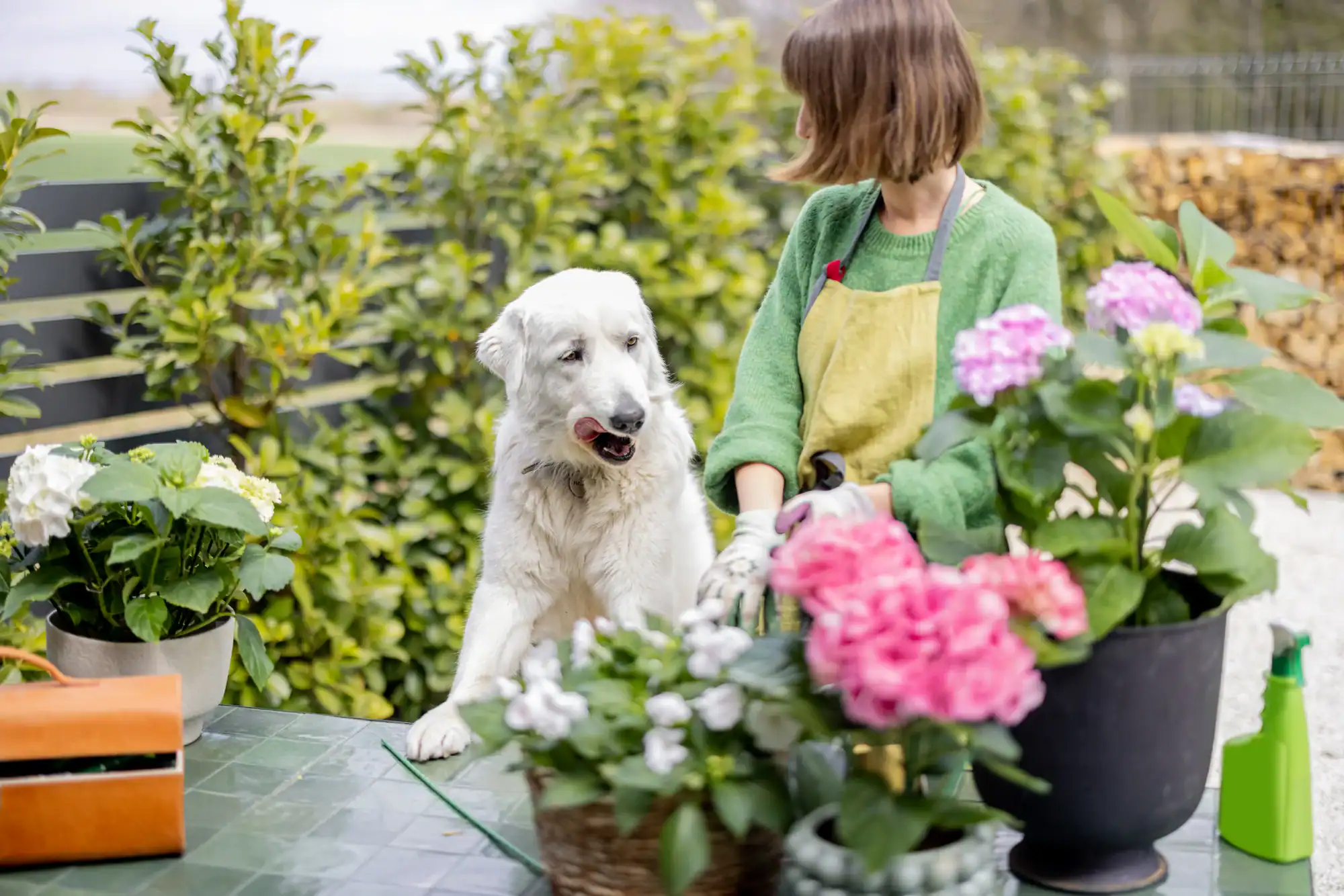
Not every flower that looks harmless actually is. Some of the most popular blooms—the ones that show up in bouquets everywhere—contain compounds that can cause serious harm if chewed, licked, or ingested by pets or babies.
Lilies, for example, are beautiful. They’re also one of the most toxic flowers for cats. Even a small amount of pollen can cause kidney failure. Tulips and daffodils aren’t much better, especially the bulbs.
For babies, the risk is different but just as real. Newborns don’t grab at flowers right away, but they will. And when they do, you don’t want those flowers to be something that causes vomiting, skin irritation, or worse. That’s why knowing what’s safe isn’t just thoughtful—it’s essential.

If you’re sending flowers to someone with pets, start by knowing what to avoid. Lilies top the list—especially for cats. Even brushing against the pollen or drinking water from the vase can be dangerous. True lilies (like Asiatic, Easter, and tiger lilies) can cause severe kidney damage in cats, sometimes within hours.
Tulips and daffodils are also problematic, particularly the bulbs. They contain toxins that can cause drooling, vomiting, diarrhea, and in severe cases, heart issues or difficulty breathing. Chrysanthemums, azaleas, and oleander round out the list of common flowers that should never be in a home with pets.
Then there’s baby’s breath—that wispy filler that shows up in almost every bouquet. It’s not severely toxic, but it can cause stomach upset in both cats and dogs. For a pet-friendly flower arrangement, it’s better to skip it entirely.
The ASPCA keeps a full list of toxic and non-toxic plants, and it’s worth checking if you’re unsure. But in general, if the arrangement includes lilies, tulips, daffodils, or chrysanthemums, it’s not safe for a home with pets. Period.
What about symptoms? If a pet ingests something toxic, you might see vomiting, lethargy, drooling, trouble breathing, or refusal to eat. In those cases, contact your vet immediately. Don’t wait to see if it gets better. With something like lily toxicity in cats, every minute counts.
The good news? There are plenty of gorgeous, pet-safe flowers that florists can work with. Roses, sunflowers, orchids, snapdragons, gerbera daisies, and zinnias are all non-toxic to cats and dogs. They’re also beautiful, versatile, and easy to arrange in ways that feel special and thoughtful.
When you’re choosing flowers for a new baby, safety starts with avoiding anything toxic—but it doesn’t end there. Scent matters too. Strong fragrances can be overwhelming for newborns, and some babies are sensitive to pollen or heavy floral smells that seem fine to adults.
Roses are a classic choice for new baby flowers, and for good reason. They’re non-toxic, they come in soft colors that work for any nursery, and their scent is mild enough not to overpower a small room. Just ask the florist to remove the thorns if the arrangement will be anywhere near little hands.
Orchids are another excellent option for nursery-friendly flowers. The Phalaenopsis variety (the kind you see most often) is beginner-friendly, long-lasting, and completely safe around babies. They’re elegant without being fussy, and they don’t have much scent at all—which is a plus when you’re talking about a nursery.
Sunflowers bring instant cheer. They’re bright, bold, and non-toxic. Same with gerbera daisies, which come in nearly every color and add a playful, happy vibe to any space. Snapdragons and zinnias are also safe flowers for babies, and they photograph beautifully if the new parents want to share the moment on social media.
What you want to avoid: lilies (again, always), tulips, daffodils, and anything with a very strong scent like stargazer lilies or heavily perfumed stock. You also want to steer clear of baby’s breath, even though it’s everywhere. It’s not severely toxic, but it can cause mild stomach upset—and why take the chance?
One more thing to consider: delivery location. A lot of people assume you should send flowers to the hospital, but many hospitals in NYC have restrictions on flower deliveries due to allergies, limited space, or infection control policies. It’s often better to send flowers directly to the family’s home. That way, the parents don’t have to worry about transporting a large arrangement while juggling a newborn, a car seat, and about seventeen bags of baby gear.
If you do want to send something to the hospital, call ahead to confirm their policy. And if you’re ordering from a florist in Midtown, NY, mention that it’s for a new baby—we’ll know how to design something appropriate in size, scent, and safety.
Finally, think about the card. Keep it short, warm, and genuine. “Welcome to the world, little one” or “Congratulations—wishing you all the love and joy” works beautifully. You don’t need to write a novel. Just let them know you’re thinking of them.
Want live answers?
Connect with a Columbia Midtown Florist expert for fast, friendly support.
If you’re ordering flowers online or picking something up in person, don’t assume the florist automatically knows your situation. You have to tell them. Mention that the recipient has a cat, a dog, or a newborn baby. A good florist will immediately adjust their recommendations.
In Midtown, NY, where same-day delivery is often essential and schedules are tight, working with a local florist who understands the city’s pace and logistics makes a difference. National chains might offer convenience, but they don’t always have the flexibility or local knowledge to navigate hospital policies, doorman buildings, or last-minute requests.
At Columbia Midtown Florist, we’ve been serving NYC for decades. We know which hospitals accept deliveries, how to time same-day orders, and how to design arrangements that work for small Manhattan apartments. When you’re dealing with something as important as a new baby or a beloved pet, that kind of experience matters.
When you’re placing an order, especially if it’s online or over the phone, ask specific questions. Don’t just say “I need flowers for a new baby.” Say “I need flowers that are safe for a nursery—no strong scents, no toxic blooms.” That clarity helps the florist design something appropriate.
Ask what’s in the arrangement. If they mention lilies, tulips, or baby’s breath, speak up. Request alternatives like roses, orchids, or sunflowers. Most florists are happy to swap out flowers, especially when they understand why.
If the recipient has pets, be even more direct. “The family has a cat—can you confirm everything in this arrangement is non-toxic?” A reputable florist will either confirm on the spot or double-check their sources. If they seem unsure or dismissive, that’s a red flag.
You should also ask about delivery timing and location. If you’re sending flowers to a home in Midtown, NY, can they deliver same-day? What’s the cutoff time for orders? Do they call ahead to confirm someone’s home, or do they leave arrangements with a doorman?
In a city like New York, where people are constantly on the move and apartment buildings have their own rules, these details matter. You don’t want your thoughtful gift sitting in a lobby for hours or, worse, being turned away because the delivery driver didn’t coordinate properly.
Finally, ask about vase options. For a nursery, you want something stable and not too tall—something that won’t easily tip over once the baby starts pulling up on furniture. For a pet-friendly home, avoid arrangements with exposed water that a curious dog or cat might try to drink. Some florists can design arrangements in sealed containers or use floral foam to minimize mess and risk.
If the florist you’re working with can’t answer these questions or seems annoyed that you’re asking, find a different florist. You’re not being difficult. You’re being responsible. And any florist worth working with will appreciate that.
Timing matters when you’re sending flowers for a new baby. A lot of people want to send something right away—to the hospital, ideally—but that’s not always the best move. Many NYC hospitals restrict flower deliveries, and even if they don’t, new parents are often overwhelmed in those first hours and days. They’re learning how to feed, change, and soothe a brand new human. The last thing they need is one more thing to keep track of.
Sending flowers to their home is usually a better option. You can time it so the arrangement arrives right when they get home from the hospital, which is a lovely welcome. Or you can wait a few days, once the initial chaos has settled and they’re ready to actually enjoy the gesture.
If you’re close to the family and know their schedule, coordinate with them. A quick text—”When’s a good day to send flowers?”—shows thoughtfulness and makes sure your gift doesn’t arrive at an inconvenient time.
As for what to send, think about their space. Most NYC apartments don’t have room for massive arrangements. A medium-sized bouquet in a reusable vase is often more practical than an elaborate centerpiece. If you want to go bigger, consider a potted plant instead—something like an orchid or a small parlor palm that they can keep long-term.
Color is another consideration. Traditionally, pink is for girls and blue is for boys, but plenty of people prefer gender-neutral tones like yellow, white, green, or lavender. If you’re not sure, go neutral. It’s always a safe bet, and it tends to photograph better anyway.
One last thing: if you’re sending flowers to someone who just had a baby and also has a pet, mention both when you order. The florist needs to know they’re designing for a household with multiple safety concerns. That way, you’re not just avoiding toxic flowers—you’re also steering clear of anything with sharp thorns, heavy pollen, or overpowering scents that could bother a sensitive newborn or a curious pet.
And if you’re the one receiving flowers? Don’t hesitate to ask the sender—or the florist—what’s in the arrangement. It’s not rude. It’s smart. You’re protecting your family, and anyone who cares about you will understand that.
Sending flowers to celebrate a new baby or brighten someone’s home should feel joyful, not stressful. But when there’s a newborn or a pet in the picture, a little extra thought goes a long way. Knowing which flowers are safe, which ones to avoid, and how to communicate your needs to a florist makes all the difference.
Roses, orchids, sunflowers, and gerbera daisies are all beautiful, versatile, and non-toxic. Lilies, tulips, and daffodils are not. It’s that simple. And if you’re ever unsure, ask. A good florist will guide you toward options that work for your specific situation.
If you’re in Midtown, NY and need flowers delivered to a new parent, a pet owner, or anyone who values safety as much as beauty, we can help at Columbia Midtown Florist. We’ve been creating thoughtful, high-quality arrangements for decades—and we understand what it means to get the details right.
Summary:
Article details:
Share: