Two-toned flower arrangements blend contrasting hues into one stunning stem, creating a romantic impact that traditional single-color bouquets can't match. It’s like the "dual-monitor setup" of the floral world—twice the visual glory.

Two-toned flowers feature petals that naturally transition between two distinct colors. Sometimes it’s a gradual fade, like a perfect Manhattan sunset. Other times, it’s a crisp division where one hue stops and another begins, creating the kind of dramatic contrast usually reserved for an HBO season finale.
These aren’t dyed or artificially colored. We aren’t in the back room with a spray can. The bicolor effect happens during the growing process, where specialized breeders cultivate blooms to develop this dual-tone characteristic. The result is a flower that carries visual weight without feeling overdone or gimmicky. In arrangements, they create depth that single-color bouquets can’t match. It’s the difference between a high-definition movie and a flip-book.

Valentine’s Day has always leaned heavily on red roses. They’re the standard, the default, the “I didn’t know what else to buy” choice. With over 250 million roses produced annually for February 14th, red roses are everywhere—they’re basically the floral equivalent of a “Reply All” email chain.
But standards get predictable. Bicolor roses solve that problem. A red-and-white rose can symbolize unity—two people, two colors, one bloom. It says, “We’re a team,” whereas a plain red rose occasionally just says, “I saw these at the bodega.”
There’s also the Instagram factor. Two-toned arrangements photograph beautifully because the color contrast creates natural visual interest. In a city where everyone is competing for the best “flowers at my desk” post, bicolor blooms are the undisputed heavyweight champions. They deliver the wow factor without needing a filter or a professional lighting crew.
Creating a bicolor rose isn’t as simple as mixing paint. It starts with selective breeding, which can take years. It’s basically Tinder for plants, but with much higher stakes and more scientific intervention.
For florists in NYC, sourcing these blooms means working with growers who specialize in novelty and premium varieties. The NYC Flower District on 28th Street carries bicolor options from Ecuador and the Netherlands, but during Valentine’s week, these varieties move faster than a tourist who just realized they’re walking the wrong way on Broadway.
This is why ordering early is the only way to win. If you wait until February 13th, you’re getting “whatever is left,” which is usually the floral equivalent of the last picked-over bagel at 4 PM. The most striking bicolor roses go to the customers who planned ahead.
Want live answers?
Connect with a Columbia Midtown Florist expert for fast, friendly support.
Not all bicolor arrangements hit the same emotional note. Red and white feels bold and declarative—perfect for an anniversary or when you’re “all in.” Pink and cream is softer and more intimate, ideal for newer relationships or for someone who prefers subtle elegance over high-octane drama. Yellow and peach brings warmth without the “I want to marry you tomorrow” intensity, making it a great choice for friends or that person you’ve been “talking to” but haven’t officially labeled yet.
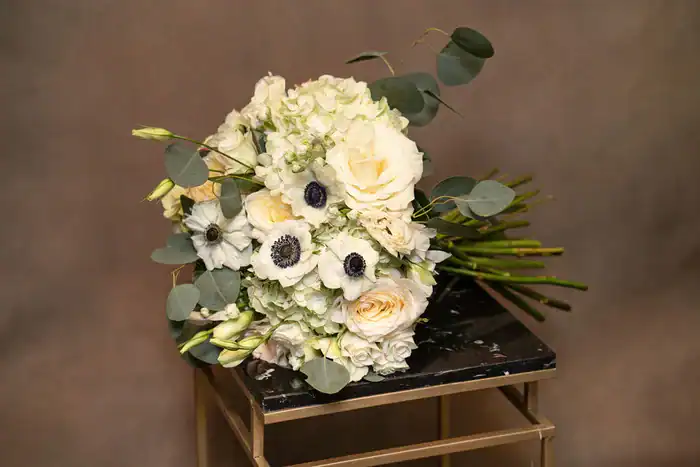
If you’re ordering in the city, you need a shop that knows how to handle premium blooms. Ask where the flowers come from. A good Midtown florist sources from the Flower District daily, meaning your roses haven’t been sitting in a box longer than a New Year’s resolution.
Check their delivery expertise, too. Delivering in Manhattan is a contact sport. You need a florist whose drivers know the difference between a freight elevator and a passenger one, and who won’t be intimidated by a doorman who takes his job more seriously than the Secret Service. A missed delivery on Valentine’s Day is a rom-com trope you do not want to star in.
Valentine’s Day puts more pressure on florists than a tax audit. While we usually offer same-day delivery, on February 14th, the “cutoff” is less of a suggestion and more of a hard reality.
The smarter move? Order a few days ahead. This allows us to slot your delivery into a manageable route so your arrangement doesn’t look like it went through a spin cycle during a high-speed chase down 5th Avenue. For Midtown deliveries, location is everything. We’re already in the neighborhood, so your flowers spend less time in a van and more time looking fabulous.
Yes, bicolor arrangements can cost a bit more. You’re paying for specialized breeding and the skill required to make them the focal point. But the real payoff is in the message. You aren’t sending the “default” gift. You’re sending something that says you put in the extra effort, the extra thought, and the extra 30 seconds of scrolling.
That level of consideration stays with people. It’s the difference between a gift and a memory. If you’re in NYC and want to ensure your romantic gesture lands with 100% accuracy, we’re located at 3 West 51st Street, ready to help you navigate the beautiful complexity of the bicolor rose.
Summary:
Article details:
Share: