Choosing Easter flowers in NYC? Discover which blooms bring meaning to your celebration, from traditional lilies to cheerful tulips, plus what actually matters when ordering for delivery.
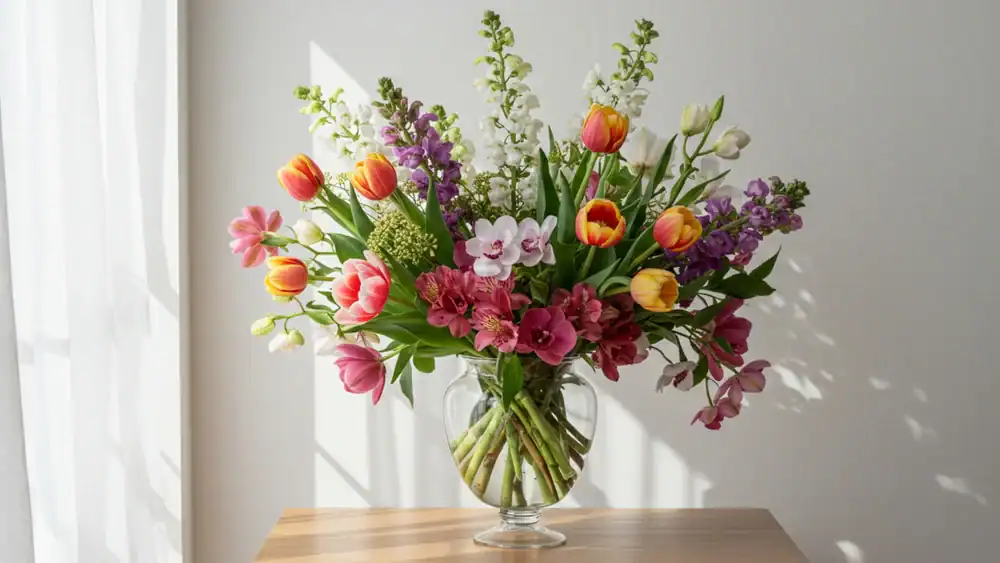
Easter’s coming, and you need flowers. Maybe it’s for your dining table, maybe you’re sending something to your family, or maybe you just realized it’s this weekend and you’re scrambling. Either way, you’re looking at a sea of options—lilies, tulips, mixed arrangements, potted plants—and wondering what makes sense.
Here’s what matters: knowing which flowers fit the occasion, finding a florist who can deliver fresh blooms on your timeline, and making sure what arrives actually looks like what you ordered. This guide breaks down the most popular Easter flowers, what they mean, and what to look for when you’re ordering flower delivery in NYC.
Walk into any flower shop during Easter week and you’ll see the same blooms front and center: lilies, tulips, daffodils, and hyacinths. These aren’t just pretty—they’ve been tied to Easter celebrations for centuries because of what they represent and when they naturally bloom.
Easter lilies are the obvious choice. White, trumpet-shaped, and impossible to miss. They symbolize purity, hope, and resurrection, which is why you see them lining church altars every year. Tulips bring color and variety—pastel pinks, bright yellows, deep purples—and they represent renewal and new beginnings, which fits the whole spring-is-here vibe. Daffodils are cheerful, resilient, and among the first flowers to pop up after winter, so they’ve become synonymous with fresh starts and optimism.
Then there are hyacinths, which smell incredible and represent rebirth and joy. They’re not as common as lilies or tulips, but they make a statement if you want something a little different. The point is, these flowers aren’t just decorative. They carry meaning, and that’s part of why they’ve stuck around as Easter staples for sale at every flower store this time of year.
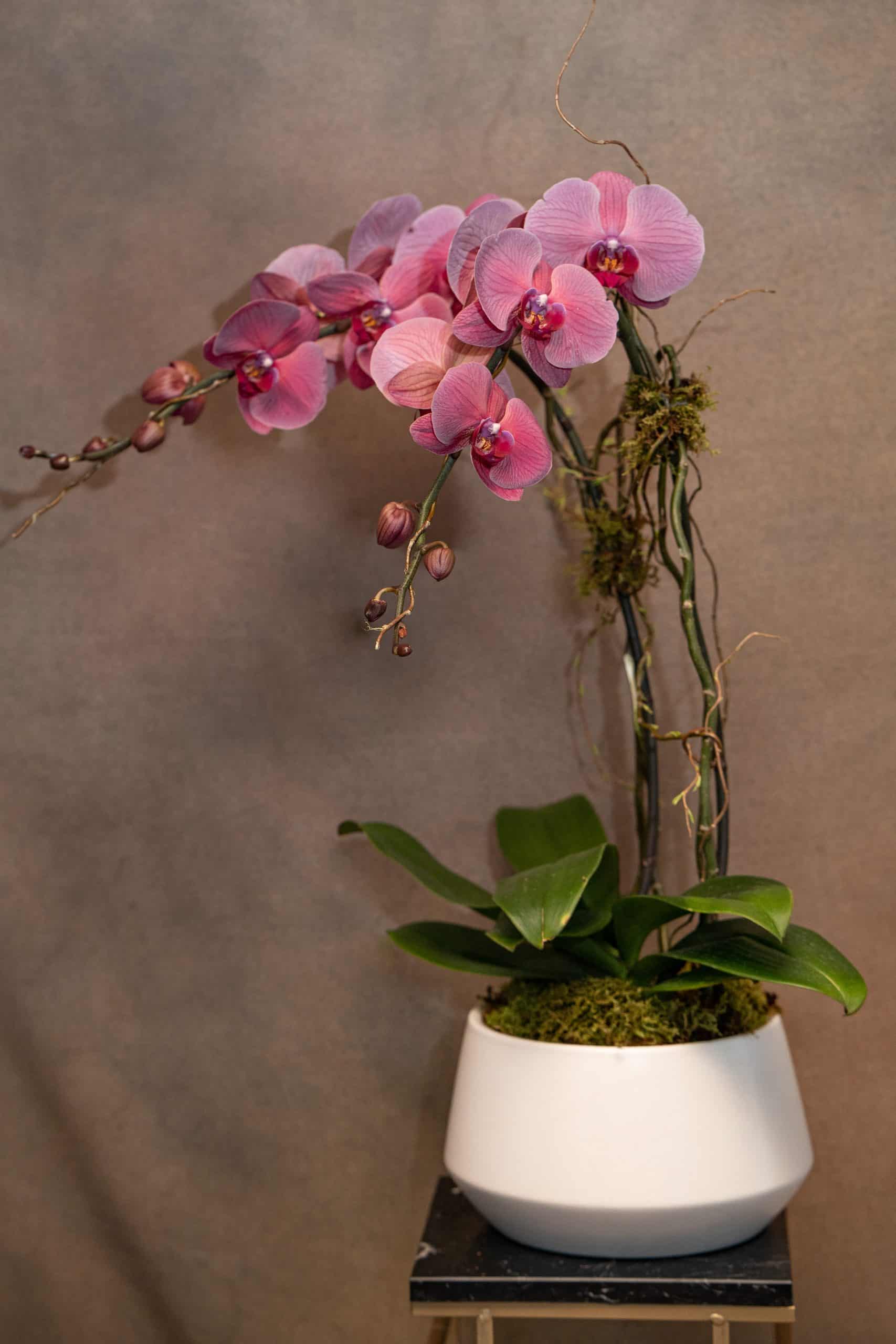
If there’s one flower that screams Easter, it’s the Easter lily. The name alone tells you everything. These white, trumpet-shaped blooms have been the centerpiece of Easter celebrations for generations, and for good reason.
The symbolism runs deep. The white color represents purity and hope. The trumpet shape is said to announce the resurrection, like a herald bringing news. Some legends say Easter lilies first grew in the Garden of Gethsemane, while others claim they sprouted in the Garden of Eden. Either way, the connection to faith and renewal is baked into the flower’s identity.
From a practical standpoint, Easter lilies are also just easy to work with. They’re elegant on their own, so you don’t need a complicated arrangement to make them look good. A simple pot with a few stems works. They’re also long-lasting if you care for them properly—remove the pollen-bearing anthers to prevent staining and extend bloom life, keep them out of direct sunlight, and change the water regularly. With the right care, an Easter lily can stay vibrant for 7 to 14 days, which means it’ll look great well past Easter Sunday.
One thing to note: Easter lilies are toxic to pets, especially cats. If you have animals at home, you’ll want to keep these out of reach or choose a different flower altogether. But if you’re decorating a table, sending flowers to someone’s office in Midtown, or bringing blooms to a church service, Easter lilies are hard to beat. They’re traditional, meaningful, and they deliver exactly what people expect when they think of Easter flowers.
The only downside? Everyone orders them. If you’re looking for something a little less predictable, tulips or mixed arrangements might be a better fit. But if you want to honor tradition and go with a flower that’s been tied to Easter for centuries, lilies are the move. Most flower shops in NYC keep them well-stocked, but during the week leading up to Easter, popular sizes and arrangements sell out fast.
Tulips are the other heavy hitter when it comes to Easter flowers. Unlike lilies, which are pretty much locked into one look, tulips give you options. You can go pastel and soft, or you can go bold and bright. You can stick with one color or mix a bunch together. That flexibility is part of why they’re so popular at flower stores across Manhattan.
But tulips aren’t just about aesthetics. Different colors carry different meanings, and if you’re the type who cares about that sort of thing, it’s worth knowing. White tulips symbolize forgiveness and worthiness. Purple tulips represent royalty and faith, which ties into the Easter theme. Pink tulips convey care and good wishes, making them a solid choice if you’re sending flowers to someone you want to encourage. Red tulips are all about deep, lasting love. And yellow tulips? Sunshine, cheerfulness, and optimism—perfect for spring.
One of the coolest things about tulips is that they keep growing even after they’re cut. You’ll notice them opening and closing throughout the day, responding to light. It’s a small detail, but it adds a sense of life to the arrangement that you don’t get with every flower. Some people see this as a metaphor for resurrection and renewal, which makes tulips feel even more appropriate for Easter.
From a practical standpoint, tulips are also just easy to enjoy. They don’t have an overpowering scent, so they won’t dominate a room. They pair well with other spring flowers if you want a mixed bouquet, but they also look great on their own. And if you’re ordering for delivery, tulips tend to hold up well in transit, especially if they’re delivered in bud form and allowed to open over the next few days.
One thing to keep in mind: tulips are sensitive to ethylene gas, which is released by ripening fruit. So if you’re planning to display them on your dining table next to a fruit bowl, move the fruit. Otherwise, your tulips will wilt faster than they should. Also, if you’re mixing tulips with other flowers, let them sit in their own vase for a few hours first. Tulips release a sap that can affect other blooms, so giving them time to settle before combining them with daffodils or lilies will help everything last longer.
If you’re torn between lilies and tulips, here’s the simplest way to think about it: lilies are traditional and formal. Tulips are vibrant and versatile. Both work for Easter. It just depends on the vibe you’re going for and what you want the flowers to say. If you’re ordering from a flower shop in Midtown, most will have both available, along with mixed arrangements that combine the best of both.
Want live answers?
Connect with a Columbia Midtown Florist expert for fast, friendly support.
Ordering flowers online sounds simple until you’ve been burned by wilted stems, arrangements that look nothing like the photo, or deliveries that show up a day late. If you’re ordering Easter flowers in NYC, here’s what matters when choosing where to place your order.
First, know the delivery cutoff. Most florists in Midtown Manhattan offer same-day flower delivery if you order by noon or 2 PM. That’s useful if you’re ordering last-minute, but it also means you need to plan ahead if you want specific flowers or custom arrangements. Next-day delivery usually has more flexibility, but during Easter week, popular options sell out fast at every flower store.
Second, make sure you’re working with a local florist, not a wire service. Wire services take a cut, which means less money goes toward your actual flowers. They also outsource to local shops, so you have no control over quality. When you order directly from a flower shop in NYC, you’re getting arrangements made by the people who’ll deliver them. That usually means fresher blooms and better results.
Third, check if the florist sources flowers daily. Flowers that have been sitting in a cooler for a week won’t last. Shops that visit the flower market every morning and arrange bouquets fresh to order are going to deliver better quality, and your flowers will last longer once they arrive.
Same-day flower delivery in NYC is possible, but it comes with conditions. If you’re counting on it, here’s what you need to understand before you place that order.
Most florists set a cutoff time—usually noon to 2 PM on weekdays, sometimes earlier on weekends. If you order after that, your flowers are going out the next day. That’s not a problem if you’re planning ahead, but if you’re trying to surprise someone on Easter Sunday and you’re ordering Saturday afternoon, you might be cutting it close. Check the cutoff time before you assume same-day is an option.
Location matters too. Same-day delivery is easiest in Midtown Manhattan, where most flower shops are located. If you’re sending flowers to the Upper East Side, Midtown West, or anywhere below 100th Street, you’re in good shape. Deliveries to outer boroughs like Brooklyn, Queens, or the Bronx might take longer or require next-day service, depending on the florist’s delivery radius. Some shops specialize in Manhattan-only deliveries, while others cover all five boroughs but with different timelines.
Building access is another factor people don’t think about until it becomes a problem. If you’re sending flowers to an office building with strict security, a high-rise with a doorman, or an apartment in a walk-up, make sure you provide the recipient’s floor, suite number, and phone number. Florists who know NYC well will coordinate with building staff, but they can’t deliver what they can’t access. If the recipient isn’t home and there’s no doorman, the driver will usually call to arrange a time or leave the flowers in a safe spot—but that’s not ideal for fresh blooms sitting outside in April weather.
Weather can also affect delivery times. If it’s pouring rain or there’s unexpected cold (rare for Easter, but not impossible in New York), deliveries might be delayed. Most florists protect arrangements during transport with temperature-controlled vehicles or protective wrapping, but extreme conditions can slow things down.
Traffic is the other wild card. Midtown Manhattan traffic on a weekday is unpredictable at best. A delivery that should take 20 minutes can easily stretch to an hour if there’s gridlock around Rockefeller Center or construction blocking a major avenue. Good florists build buffer time into their delivery windows, but it’s worth setting realistic expectations if you’re ordering same-day flowers during rush hour.
Here’s the bottom line: same-day delivery works if you order early, provide complete delivery information, and choose a florist who knows how to navigate NYC. If you’re ordering flowers for Easter and you want them to arrive on a specific day, don’t wait until the last minute. Order a day or two ahead if you can, and confirm delivery details when you place the order. That way, you’re not hoping for a miracle on Sunday morning.
Not all flower shops are the same, especially during busy holidays like Easter. Here’s what separates the reliable ones from the ones that’ll leave you disappointed when your arrangement shows up looking nothing like the photo.
Start with freshness. Ask (or check the website) to see if the shop sources flowers daily from local markets or trusted growers. Flowers that are cut fresh and arranged the same day you order them will last longer and look better. If a shop is using pre-made arrangements or flowers that have been sitting around for days, you’ll notice the difference within 24 hours. Fresh flowers for sale should actually be fresh, not just marketed that way.
Next, look at their delivery area and capabilities. Some shops only deliver to specific neighborhoods. Others cover all five boroughs but might not offer same-day service everywhere. If you’re sending flowers to someone in a specific part of NYC, make sure the florist can actually get there on the timeline you need. A Midtown flower shop will have the easiest time delivering within Manhattan, but if you need flowers sent to Astoria or Park Slope, confirm they service that area before you order.
Customer reviews matter, but read them carefully. Look for mentions of on-time delivery, fresh flowers, and how well the actual arrangement matched the photo. If you see repeated complaints about wilted stems, late deliveries, or poor customer service, that’s a red flag. On the flip side, if people mention that the shop went out of their way to accommodate a tight deadline or fix an issue, that’s a good sign. Pay attention to recent reviews, especially from the past few months, since quality can change over time.
Transparency is another key factor. Good florists are upfront about pricing, delivery fees, and what’s included. If a website is vague about costs or buries fees in the fine print, that’s a warning sign. You should know exactly what you’re paying for before you hit order. Hidden service charges or inflated delivery fees are common with wire services, which is another reason to order directly from a local flower shop.
Finally, consider whether the shop offers custom arrangements. If you have specific colors in mind, want to mix certain flowers, or need something tailored to a particular occasion, you’ll want a florist who can accommodate that. Not every shop does custom work, especially during busy weeks, so it’s worth asking ahead of time. Being able to request white tulips mixed with purple irises, or a lily arrangement without the overpowering scent of hyacinths, makes a difference if you’re particular about what you want.
For Easter specifically, you also want a florist who understands the symbolism behind the flowers. If you’re ordering lilies because of their spiritual significance, or tulips in specific colors because of what they represent, it helps to work with someone who gets that. A good florist will be able to guide you toward arrangements that fit the meaning you’re trying to convey, not just what looks pretty in a photo.
If you’re in Midtown Manhattan or nearby, working with a local flower shop that’s been serving the area for years is usually your best bet. They know the buildings, the delivery routes, and the expectations. They’re also more likely to have fresh inventory and the ability to make adjustments if something goes wrong. Family-owned shops often have more flexibility and accountability than large chains or online-only services.
Easter flowers aren’t complicated, but getting them right takes a little thought. No matter if you’re going with traditional lilies, colorful tulips, or a mixed arrangement, the key is knowing what you want, ordering from a reliable source, and giving yourself enough time for delivery.
If you’re ordering in NYC, same-day flower delivery is possible if you plan ahead and choose a florist who knows the area. Fresh flowers, transparent pricing, and reliable service make the difference between an arrangement that impresses and one that disappoints. Don’t settle for wilted stems or mystery fees when you’re trying to celebrate a meaningful holiday.
When you’re ready to order, we offer fresh, hand-crafted arrangements with same-day delivery throughout Midtown Manhattan and next-day service across NYC. Located in the heart of Midtown, we source quality blooms daily and understand what it takes to deliver on time in New York City.
Summary:
Article details:
Share: