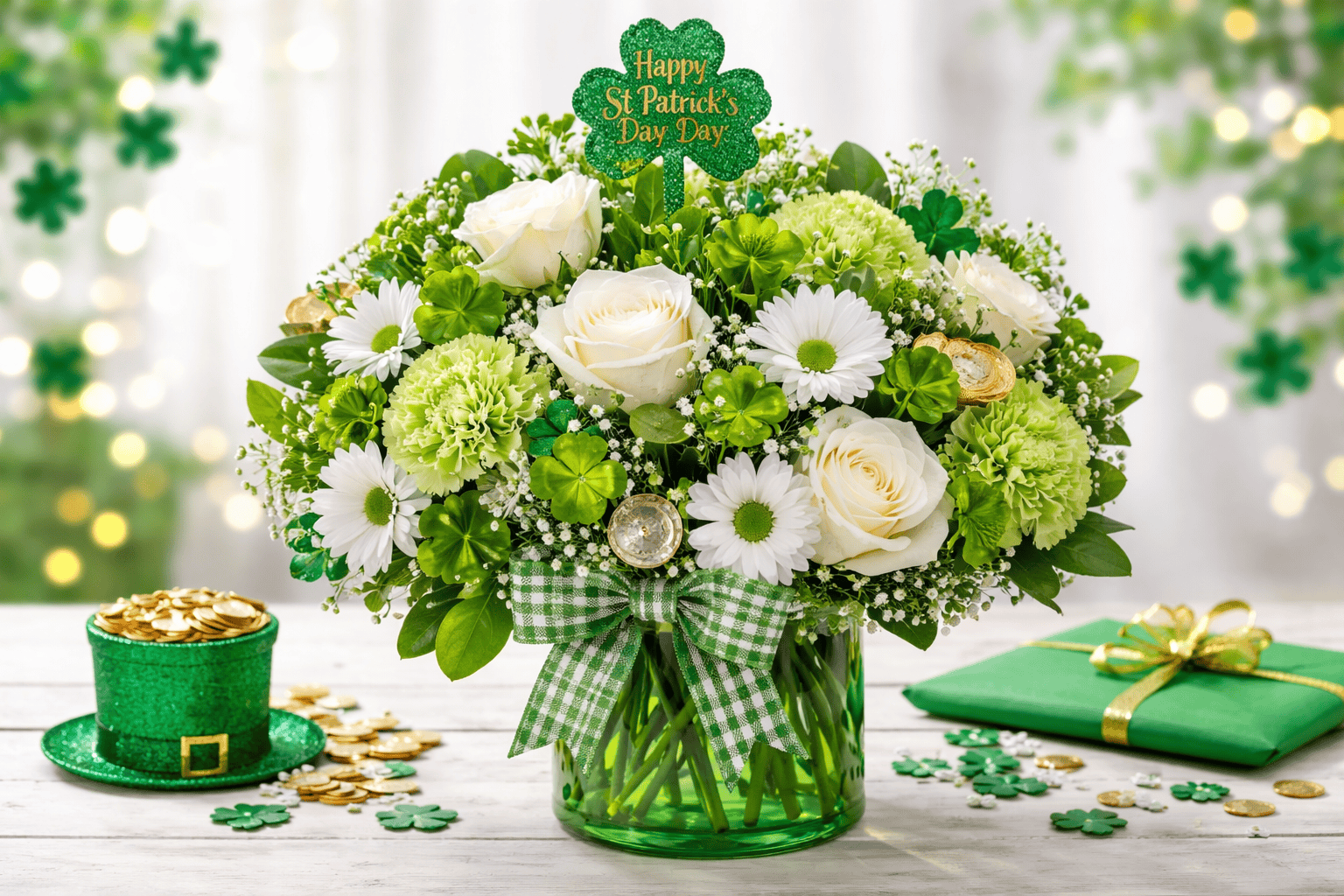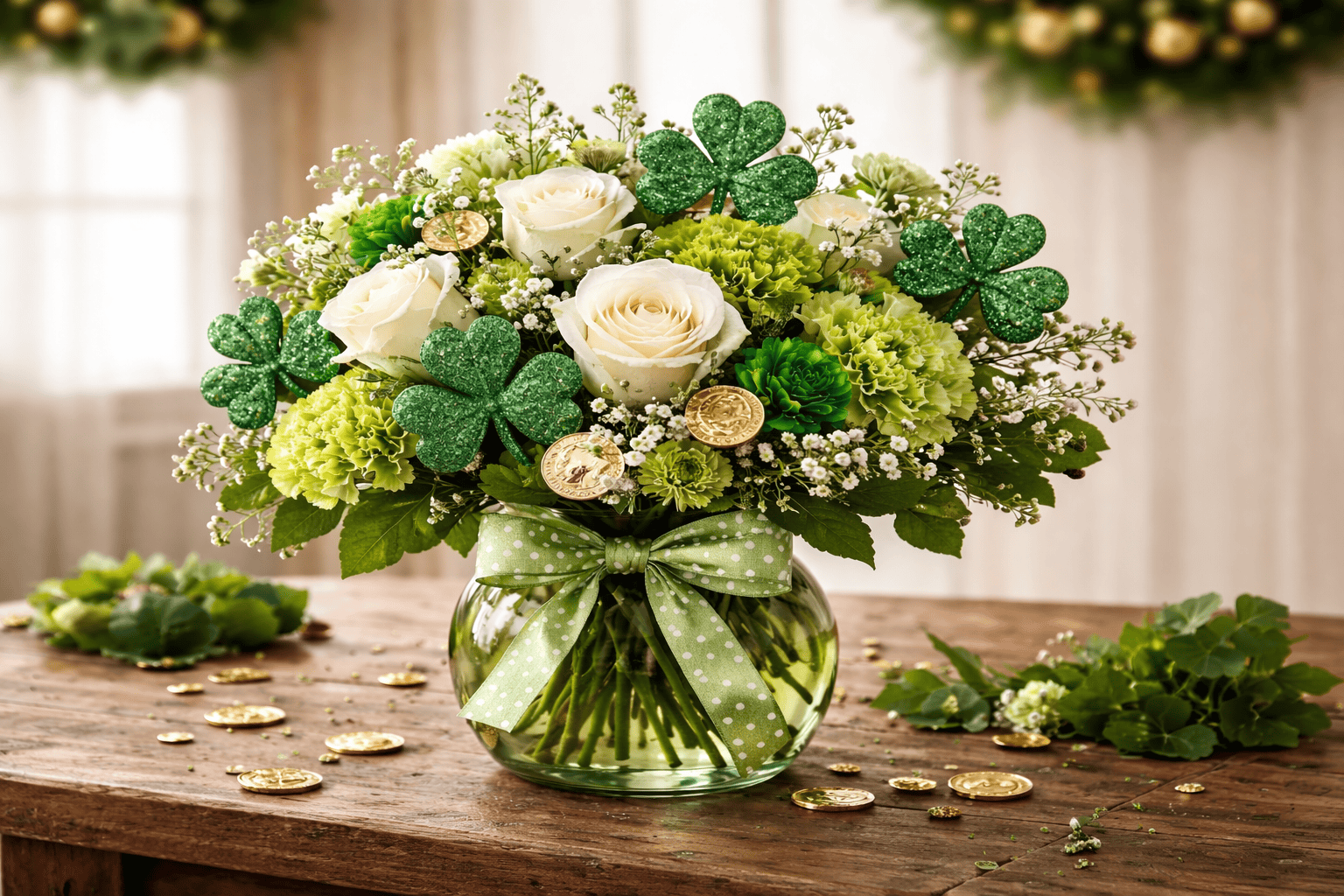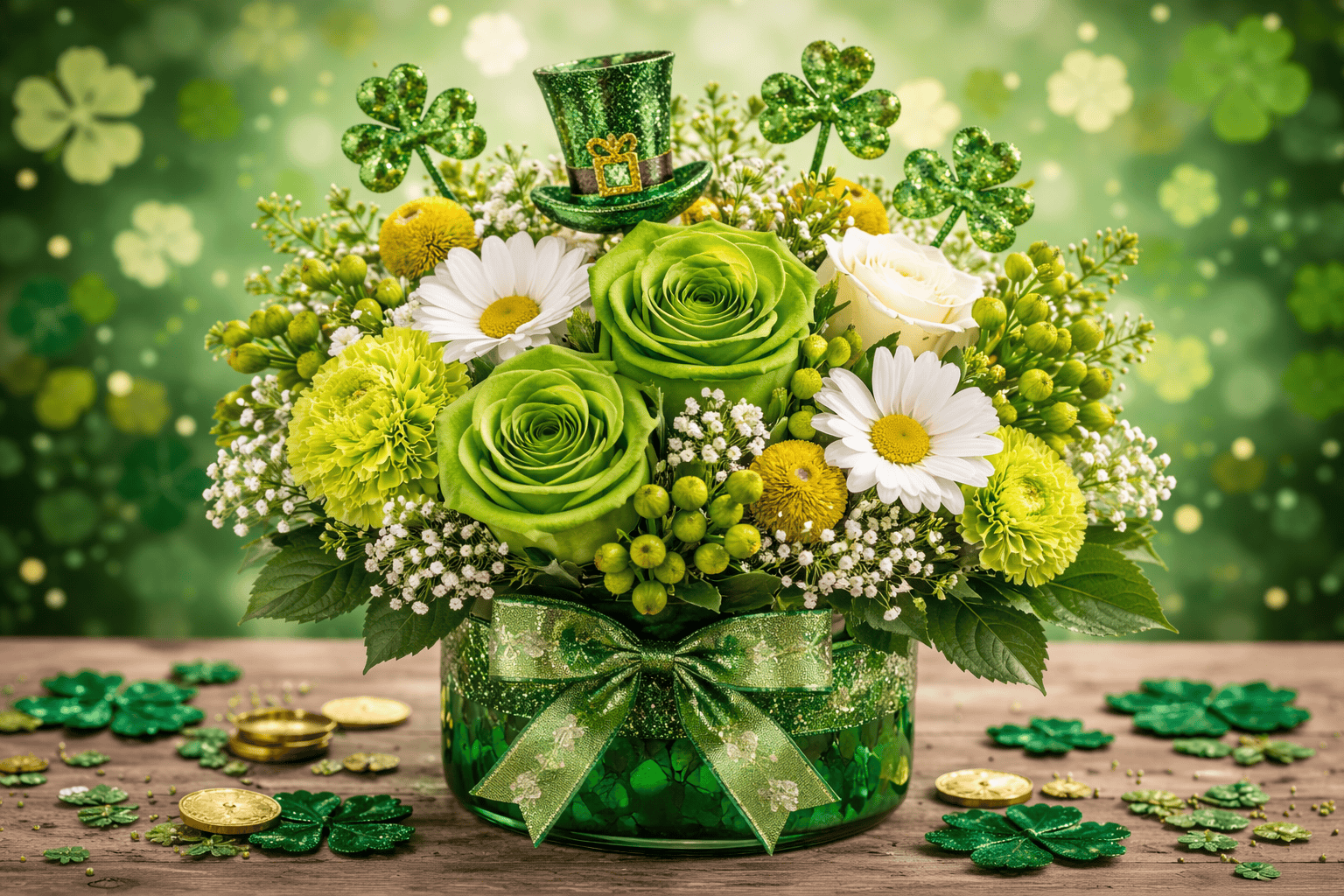
Professional vase arrangements use strategic flower selection and expert conditioning techniques to extend bloom life significantly beyond typical bouquets.
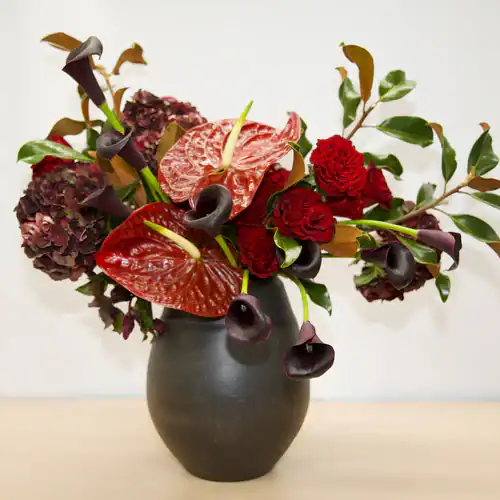
Not all flowers are created equal when it comes to vase life. We build arrangements around flowers known for their longevity rather than just their immediate visual impact.
Chrysanthemums, carnations, alstroemeria, lilies, and hydrangeas can last at least ten days in a vase with clean water, with chrysanthemums potentially lasting up to four weeks. Compare this to more delicate options that may only survive three to seven days before dramatically fainting like a Victorian aristocrat.
The key is understanding which flowers naturally have longer vase lives and building arrangements around these sturdy performers. When we create mixed arrangements, we strategically pair long-lasting base flowers with shorter-lived accent blooms, guaranteeing the overall display maintains its structure even as individual elements fade.
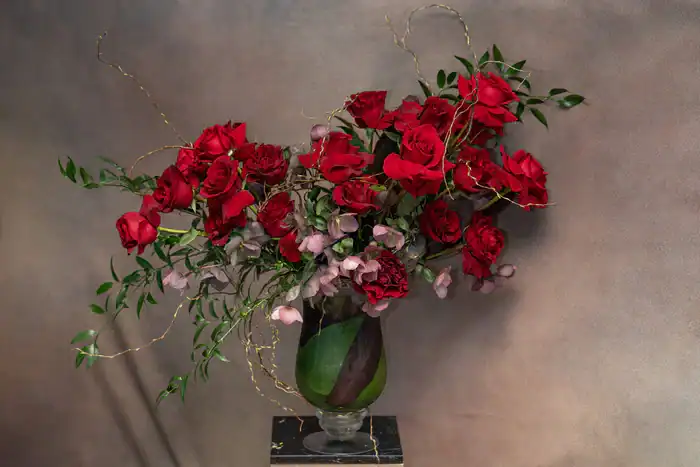
Zinnias are often considered champions of long-lasting flowers, but chrysanthemums have the potential to live even longer, with vases lasting up to a month after cutting, though they require daily water changes and stem trimming. Basically, they are the Keith Richards of the floral world—they just keep going.
This exceptional longevity comes from chrysanthemums’ robust cellular structure and effective water uptake system. Unlike delicate flowers that struggle to maintain hydration, mums continue drawing water effectively throughout their vase life.
We leverage this by using chrysanthemums as anchor flowers—the structural foundation that keeps the arrangement looking full even as other elements naturally cycle through their shorter lifespans. For maximum longevity, we remove faded flowers from arrangements and move healthy blooms to smaller displays.
The maintenance requirements, while more involved than other flowers, pay dividends in extended beauty. Daily water changes prevent bacterial growth that shortens flower life, while regular stem trimming maintains the best water flow. This attention to detail is what separates our professional arrangements from casual bouquets.
Carnations can last two to three weeks in proper conditions, making them exceptional value flowers that many overlook due to outdated perceptions. (Stop thinking “gas station gift” and start thinking “indestructible beauty.”) Modern carnation varieties offer sophisticated colors and textures while maintaining their legendary staying power.
The secret lies in their stem structure and water management. When cutting carnation stems, we cut just above the nodes that run up the flower’s stalk, allowing stems to more easily draw the water they need. This technique, combined with their naturally effective vascular system, keeps carnations hydrated longer than most alternatives.
Carnations are sensitive to ethylene gas released by fruits, vegetables, and decaying floral materials, so we keep them away from ethylene-producing materials for best results. This knowledge allows us to create environments where carnations thrive rather than struggle.
We also understand that carnations continue opening and developing in the vase, providing evolving beauty throughout their extended life. Rather than viewing this as unpredictability, we design with this progression in mind, creating displays that improve over time rather than maintaining their initial state.
Want live answers?
Connect with a Columbia Midtown Florist expert for fast, friendly support.
The difference between a three-day arrangement and a three-week display often comes down to conditioning—the preparation process that happens before flowers ever touch the vase water. Think of it as a spa day, but mandatory.
Conditioning involves preparing cut flowers to prolong longevity by stripping leaves from the bottom half to two-thirds of each stem, re-cutting all stems with sharp tools to avoid crushing, and making clean angled cuts without jagged edges.
We understand that this initial preparation determines everything that follows. Poor conditioning creates arrangements that struggle from day one, while proper techniques establish the foundation for extended beauty.
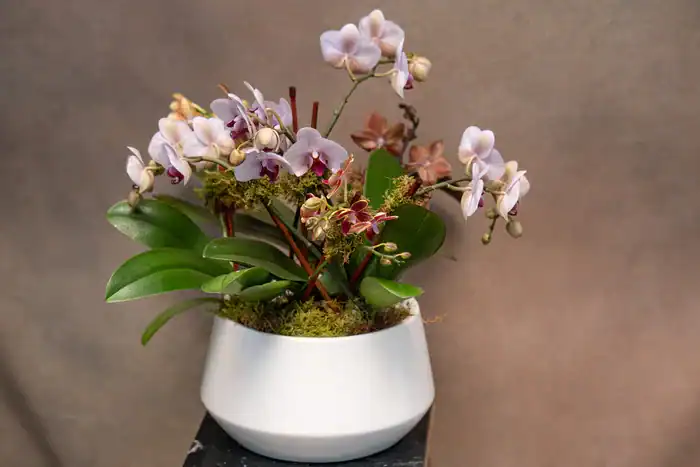
Cutting stems at a 45-degree angle increases surface area for water flow, and some flowers like roses need stems cut underwater to prevent air bubbles that block water uptake. This isn’t just florist tradition—it’s applied plant physiology.
Most cut flowers start to “seal up” the base of their stem within hours of harvest, preventing water intake, so stems need re-cutting before placing in vases. We address this immediately, while casual bouquets often skip this essential step.
The angle matters because it prevents stems from sitting flat against the vase bottom, which would limit water contact. Cutting at an angle provides larger exposed area for water uptake and enables stems to stand on a point, allowing water contact with the cut surface.
Using sharp knives or floral cutters rather than crushing stems is essential. Please, put down the dull kitchen shears you use to open Amazon packages—crushing destroys water vessels in stems and prevents proper water absorption. This technical precision separates our professional arrangements from amateur attempts that unknowingly sabotage their own longevity.
We also time our cuts strategically. Flowers cut in morning or evening hold maximum moisture, while midday cutting results in shorter vase times, with cut flowers immediately placed in warm water until ready for arrangement.
We use lukewarm water (100°F to 110°F) because warm water molecules move faster and can be absorbed more easily, though bulb flowers like hyacinths and tulips need cold water. This scientific approach to water temperature directly impacts flower longevity.
Cut flowers perform best in slightly acidic water with pH levels between 3.5 and 5.0. We achieve this through flower food or natural additives that create optimal conditions for water uptake and nutrient absorption. A mixture of 3 parts cool water to 1 part lemon-lime soft drink provides sugar for flower food and citric acid to lower pH, while adding bleach (1 tablespoon per gallon) kills bacteria. Yes, your flowers have a sweet tooth. No, do not share your Diet Coke—they need the real sugar. These precise formulations reflect the chemistry knowledge that separates our professional arrangements from guesswork.
Using preservatives definitely increases the longevity of cut flowers, but the type and concentration matter significantly. We know these nuances and adjust our approach based on specific flower types and environmental conditions.
The water itself becomes a carefully managed ecosystem rather than a vessel for stems. Replacing dirty vase water with fresh water and cleaning vases daily prevents bacterial growth that causes wilting, while re-cutting stems every two to three days helps maintain water absorption.
Understanding why professional vase arrangements last longer isn’t just about appreciation—it’s about making smarter floral investments. Proper care techniques can add a week or more to flower lifespan, making the knowledge valuable for anyone purchasing arrangements.
Regardless of if you’re selecting arrangements for your home or office, look for florists who demonstrate knowledge of flower longevity and proper conditioning techniques. For corporate settings, this expertise becomes even more valuable since office flowers can increase workplace productivity by up to 15%. (Which is certainly more effective than another “motivational” email.)
The investment in professional vase arrangements pays dividends through extended beauty, reduced replacement frequency, and the confidence that comes from working with our expertise in Manhattan’s competitive floral market.
Summary:
Article details:
Share: