Valentine's Day 2026 is ditching cookie-cutter red roses for sculptural arrangements, softer palettes, and flowers that actually reflect your relationship. Here's what NYC is ordering instead—because your love story isn't a "template," so your flowers shouldn't be either.
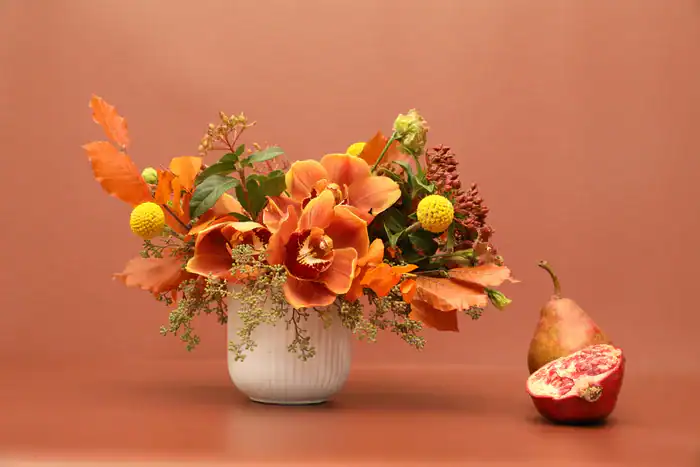
The biggest shift happening in NYC flower shops right now is the move toward sculptural, nature-inspired design. We’re seeing fewer tight, symmetrical bouquets that look like they were measured with a protractor, and more arrangements that have personality—asymmetric shapes, bold textures, and flowers that don’t all look like they were cloned in a lab.
Color palettes are also having a “soft launch” this year. Instead of bright, high-octane red, we’re working with blush, mauve, peach, and terracotta tones. These colors pair beautifully with the classic red rose, but they also stand on their own when you want something that feels modern. It’s the “Quiet Luxury” version of Valentine’s Day—sophisticated, understated, and definitely not purchased at a subway kiosk.
The other major trend is mixing in “character stems”—flowers with architectural presence. Protea, anthurium, and ranunculus are showing up in Valentine’s bouquets because they create depth that standard roses just can’t match on their own. It’s the difference between a simple melody and a full-on Manhattan jazz ensemble.
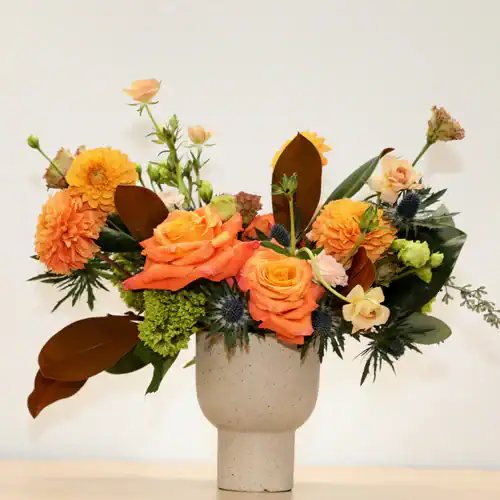
Sculptural flowers are having a moment because they look intentional. They’re the opposite of the generic bouquet that could’ve been ordered for literally anyone on the 4 train. When you add a King Protea or a sleek Anthurium to an arrangement, you’re making a visual statement that says you have a point of view.
Protea is essentially the “it” flower of 2026. It’s bold, architectural, and has a raw beauty that lasts longer than most delicate blooms. Pair it with soft garden roses, and you get a contrast that feels both strong and romantic—kind of like a great NYC apartment that has both exposed brick and a rainfall showerhead.
Anthurium brings that glossy, modern edge. It’s sleek, it’s sculptural, and it works beautifully in contemporary arrangements that feel more like art pieces. If your person appreciates clean design and minimalist aesthetics, Anthurium is a smart choice. It says, “I know you like the MoMA, so I brought a piece of it to your living room.”
Red roses aren’t disappearing (don’t worry, tradition is safe), but they’re not the only game in town anymore. The color story for Valentine’s Day 2026 is nuanced. We’re seeing sage green, fig, and dusty rose showing up in arrangements that feel romantic without screaming “FEBRUARY 14TH” in neon lights.
These softer palettes work because they’re easier to personalize. If your partner loves warm, earthy tones, you can lean into terracotta. If they prefer sophisticated, muted colors, mauve is the way to go. It makes the gift feel like it was picked for them specifically, not just because a calendar told you to buy something red.
We’re also mixing these softer tones with traditional red to create dimension. Imagine deep red garden roses surrounded by blush ranunculus and peach tulips. It’s romantic, but it has more layers than an onion—and it smells significantly better.
Want live answers?
Connect with a Columbia Midtown Florist expert for fast, friendly support.
Red roses will always have their place, but they aren’t the only way to say “I love you.” In fact, some of the most thoughtful Valentine’s arrangements in NYC this year don’t include roses at all. Some people view the “dozen red roses” as the gift equivalent of a “standard white shirt”—reliable, sure, but maybe not the statement you want to make for a big anniversary.
Choosing an alternative shows you put extra thought into the gift. It shows you were paying attention when they mentioned their favorite colors or styles. Tulips, orchids, and lilies are all making a massive splash this year, and let’s be honest: they often last longer and look better in a Midtown apartment.
Tulips are the dark horse of Valentine’s Day. They’re elegant, contemporary, and they carry the same romantic symbolism as roses but with a “fresher” vibe. Red tulips mean “perfect love,” but they don’t carry the heavy, sometimes-stiff baggage of the traditional rose.
One of the best things about tulips? They keep growing even after they’re cut. They’re dynamic, moving toward the light and changing shape in the vase. It’s a great metaphor for a relationship—or at least a great way to have flowers that look slightly different every morning. They’re perfect for someone who likes a clean, minimalist aesthetic but still wants that pop of romantic color.
If you want to send something that feels luxurious and lasts way longer than a week, orchids are the answer. They are the “long-term investment” of the floral world. While cut flowers eventually say goodbye, a potted orchid can bloom for months.
Orchids symbolize refined beauty and strength. They work perfectly for someone who has a sophisticated palate and appreciates quality over flashy, temporary gestures. Plus, they are incredibly sturdy. In a city where delivery can be a contact sport, orchids arrive looking as polished as the moment they left the shop. They’re the “high-end watch” of plants—classy, durable, and always in style.
Valentine’s Day in New York City is about more than just checking a box on your to-do list. The flowers you choose say something about how well you know your person. This year’s trends—sculptural shapes, softer palettes, and unique alternatives—give you the chance to be a bit more creative.
The best Valentine’s flowers are the ones that match your partner’s taste, not just the holiday’s “brand.” Regardless of if it’s a bold Protea arrangement or a sleek pot of orchids, make sure it’s an intentional choice.
When you’re ready to order, choose a local Midtown shop that understands that February 14th in Manhattan requires precision logistics and fresh, daily-sourced blooms. We’re here at 3 West 51st Street, ready to help you look like the romantic genius we both know you are.
Summary:
Article details:
Share: