Easter flowers carry centuries of symbolism—from lilies representing resurrection to tulips signifying rebirth. Learn what each bloom means and choose arrangements that resonate with your celebration this spring.
Easter’s around the corner, and you’re probably thinking about how to make the holiday feel special. Maybe you want fresh flowers for your table. Maybe you’re sending a gift to someone who could use a reminder that spring’s here. Either way, you’ve got options—and knowing what those flowers mean makes the choice easier. Easter blooms aren’t just pretty. They carry symbolism that’s been passed down for generations, from purity and hope to resurrection and renewal. This guide breaks down what you’re really saying when you choose lilies over tulips, or daffodils over hyacinths, so you can pick flowers that resonate this spring.
Easter flowers aren’t random decorations. They bloom right when the season shifts from winter to spring, which is why they’ve become symbols of rebirth and new life for centuries. Churches fill their altars with white lilies. Families decorate tables with tulips and daffodils. Each bloom carries its own story.
The tradition runs deep—rooted in Christian symbolism, ancient folklore, and the simple fact that these flowers emerge from frozen ground when everything else is still waking up. That timing isn’t coincidental. It’s why these specific blooms have become synonymous with Easter celebrations worldwide.
Understanding what these flowers represent helps you choose arrangements that go beyond aesthetics. You’re not just buying something that looks nice for your dining room. You’re choosing a bloom that speaks to hope, faith, or the fresh start that spring brings to your home and the people you care about.
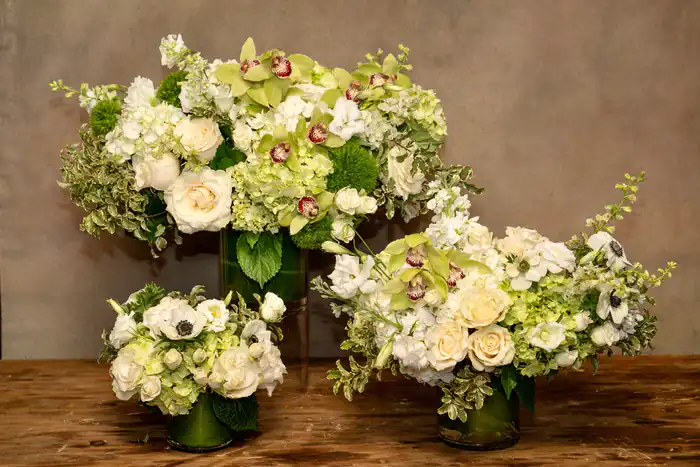
The Easter lily is the most recognized flower of the season. Its pure white petals and trumpet shape have made it a fixture in churches and homes for generations. The symbolism is powerful—purity, innocence, and the resurrection of Christ are all represented in this single bloom.
Legend says these lilies bloomed in the Garden of Gethsemane after Jesus’ crucifixion. The trumpet shape is thought to represent the angel’s announcement of the resurrection. Whether or not you follow the religious tradition, the flower’s association with hope and new beginnings resonates across cultures.
From a practical standpoint, Easter lilies are stunning. They’re dramatic without being fussy. One stem in a simple vase can transform a room. They last about seven to fourteen days with proper care, which means you get to enjoy them well beyond Easter Sunday.
Here’s what most people don’t know: Easter lilies are native to Japan, not the Middle East. They were brought to the United States in the early 1900s and became commercially grown along the coasts of California and Oregon. Today, almost all Easter lilies sold in America come from a small region in those states. So while the symbolism is ancient, the flower itself has a surprisingly modern American story.
If you’re decorating a church, hosting Easter brunch, or just want something that feels traditional, the Easter lily delivers. It’s classic, meaningful, and instantly recognizable. Just keep them away from pets—they’re highly toxic to cats and should be placed out of reach if you have animals in your home.
Tulips, daffodils, and hyacinths are the spring trio that show up in nearly every Easter arrangement. They’re bright, cheerful, and they bloom right on schedule. But each one brings its own meaning that’s worth understanding before you choose.
Tulips are about rebirth and resurrection. They’re among the first flowers to emerge from winter dormancy, which makes them a natural fit for Easter celebrations. Different colors carry different messages—white tulips represent forgiveness and purity, purple symbolizes faith and royalty, red stands for passion and love, and yellow brings sunshine and happiness. If you’ve ever noticed that tulips look a bit like Easter eggs when they’re closed, you’re not alone. That resemblance has made them a favorite for table centerpieces and spring arrangements.
Daffodils are the optimists of the bunch. They symbolize new beginnings, happiness, and hope—exactly what spring represents after a long winter. In England, they’re called “Lent lilies” because they bloom during the Lenten season. Their bright yellow color is hard to miss, and they’re one of the hardiest spring bulbs out there. They come back year after year, which reinforces that whole theme of renewal and resilience.
Hyacinths bring fragrance to the mix. Their scent is sweet and strong, and their tightly packed blooms come in shades of purple, pink, white, and blue. Symbolically, they represent joy, sincerity, and commitment. Purple hyacinths are often linked to sorrow during Lent, but the lighter shades—white and pink—are all about peace and celebration, making them perfect for Easter.
What makes these three flowers so popular is their versatility. You can mix them together for a colorful arrangement, or keep it simple with a single variety. They’re widely available at your local flower shop, affordable compared to exotic blooms, and they last. Plus, they’re forgiving—you don’t need to be a flower expert to keep them looking good for a week or more.
If you’re shopping for Easter flowers and want something that feels fresh, seasonal, and full of meaning, tulips, daffodils, and hyacinths are your go-to options. They capture the energy of spring without trying too hard.
Want live answers?
Connect with a Columbia Midtown Florist expert for fast, friendly support.
Choosing Easter flowers isn’t complicated, but it helps to think about what you’re actually trying to accomplish. Are you decorating your dining table for a family meal? Sending a gift to someone who needs encouragement? Creating a centerpiece that’ll be photographed and remembered? Your goal shapes your choice.
If tradition matters most, stick with Easter lilies. They’re timeless and they signal Easter in a way that nothing else does. If you want color and variety, go with a mixed arrangement of tulips, daffodils, and hyacinths. If you’re working with a budget, daffodils give you the most impact for the least cost—they’re cheerful, abundant, and they last.
Think about the space, too. A large arrangement works for a dining room table, but a smaller bouquet might be better for a side table, entryway, or office desk. And if you’re gifting, consider what the recipient actually likes. Not everyone wants a massive statement piece. Sometimes a simple bunch of tulips says exactly what you need it to say.
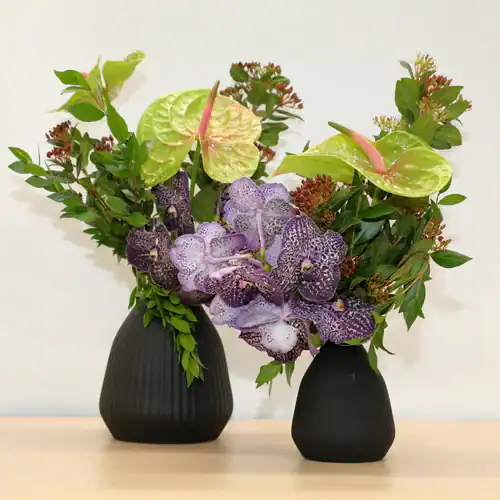
If you’re in Midtown Manhattan, you’ve got options for buying Easter flowers—but not all flower shops are created equal. Some are part of national chains that ship from warehouses days away. Others are local flower stores that hand-select their blooms and deliver them fresh the same day.
We’re one of those local spots. Located right in the heart of Manhattan, we understand the pace of the city and what New Yorkers actually need. You’re not waiting three days for flowers to arrive from across the country. You order in the morning, and we deliver by afternoon.
Same-day delivery matters more than you might think. Easter’s one of those holidays where plans come together at the last minute. You remember you’re hosting brunch two days before. You realize you forgot to send flowers to your mom. You need something that shows up fast and looks like you planned it all along.
What sets a local flower store apart is the quality and the care. Flowers aren’t sitting in a box for days losing their freshness. They’re hand-selected, arranged by florists who know what they’re doing, and delivered by someone who knows the neighborhood. You’re not dealing with a faceless website—you’re working with a shop that’s been part of the Midtown community.
When you’re shopping for Easter flowers for sale, ask about delivery times. Ask where the flowers come from. Ask if they’re hand-arranged or pre-made. The answers tell you everything you need to know about whether you’re getting something special or something generic.
In Midtown, convenience is king. But convenience doesn’t have to mean sacrificing quality. A good local flower shop gives you both—fresh blooms, fast delivery, and the assurance that comes from knowing your flowers will show up on time and look the way they’re supposed to.
Same-day flower delivery isn’t a luxury in New York—it’s a necessity. Life moves fast here, and sometimes you need flowers delivered in hours, not days. Regardless of if it’s a forgotten occasion, a last-minute guest arriving for Easter dinner, or just the realization that your table needs something fresh, same-day delivery saves the day.
The key is knowing the cutoff time. Most flower shops in Midtown offer same-day delivery if you order before noon or 2 PM. That gives florists time to hand-arrange the flowers and get them where they need to go before the day ends. Miss that window, and you’re looking at next-day delivery instead.
Same-day delivery works best when you’re clear about what you want but flexible on the details. If you’re open to the florist’s choice of fresh seasonal blooms, they have more options to work with. If you need something specific—like all white Easter lilies or a particular arrangement style—give them as much notice as possible, even if it’s still same-day.
Reliability is everything when you’re counting on flowers to arrive for an important occasion. You don’t want to order flowers and then spend the rest of the day wondering if they’ll actually show up. That’s where working with a local flower store makes a real difference. We’re accountable to our community. We know the streets, the buildings, the doormen. We’re not relying on a third-party courier who’s never been to your neighborhood before.
In Midtown Manhattan, same-day flower delivery is standard for a reason. People here expect speed and quality, and they’re willing to pay for both. But you shouldn’t have to choose between the two. A good flower shop delivers fresh arrangements that arrive when they’re supposed to, without the stress of wondering if they’ll make it.
If you’re ordering Easter flowers and you need them today, visiting us directly or placing your order early is often the best approach. You can confirm availability in real time, and you’ll know immediately whether same-day delivery is possible. Plus, you’re working with real people who can help you choose the right arrangement based on what’s actually fresh and available right now.
Easter flowers are more than decoration—they’re a way to connect with tradition, celebrate renewal, and bring beauty into your home or someone else’s life. No matter if you choose classic Easter lilies, vibrant tulips, cheerful daffodils, or fragrant hyacinths, each bloom carries meaning that’s been passed down for generations.
The best part? You don’t have to overthink it. Pick flowers that resonate with you, or choose based on what the season represents—hope, rebirth, fresh starts. Either way, you’re adding something real to your Easter celebration that goes beyond the surface.
If you’re in Midtown Manhattan and you need fresh Easter flowers delivered fast, we’re ready to help. Local expertise, same-day delivery, and hand-selected blooms that make this Easter one worth remembering.
Summary:
Article details:
Share: