Sustainable flower bouquets aren't just beautiful—they're the new status symbol. Discover how eco-friendly floristry is redefining luxury in 2026.
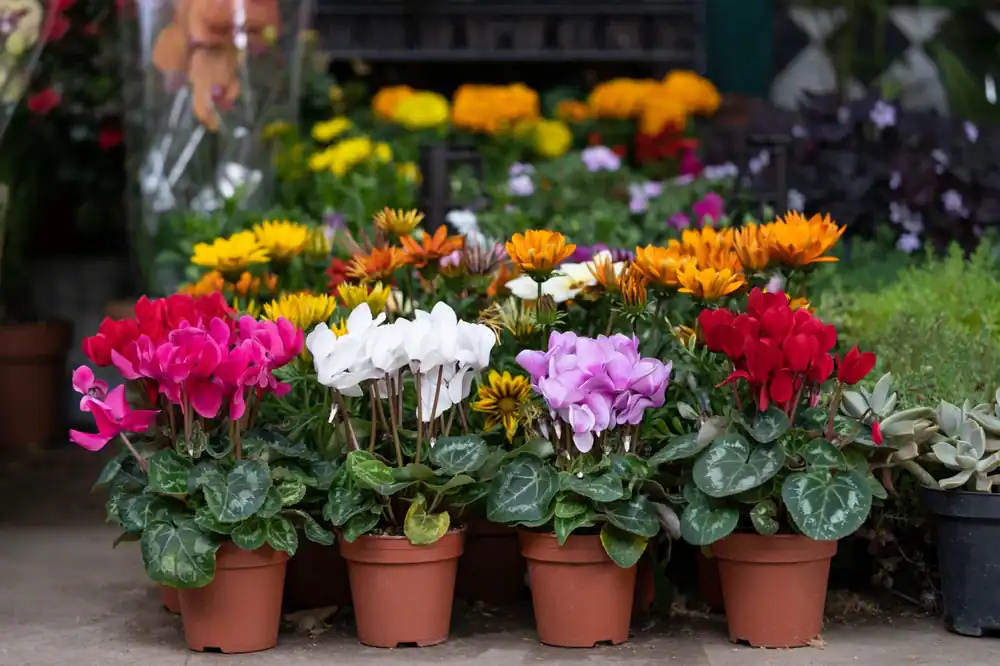
An eco-friendly flower bouquet isn’t defined by a single factor. It’s the result of multiple intentional choices that reduce environmental impact from farm to vase.
The foundation starts with sourcing. Eco-friendly flowers are grown locally or regionally, typically within 200 miles of where they’re sold. This dramatically cuts the carbon footprint associated with refrigerated air freight and long-distance trucking. In the U.S., roughly 80% of cut flowers are imported, many traveling thousands of miles before reaching your hands.
Sustainable farming practices matter just as much as proximity. Ethically sourced blooms come from farms that avoid synthetic pesticides and chemical fertilizers, focusing instead on soil health, water conservation, and biodiversity. These methods protect farm workers, local ecosystems, and the quality of the flowers themselves. You can often tell the difference—sustainable flowers tend to be more fragrant, textured, and resilient than their conventionally grown counterparts.
Even the most sustainably grown flower bouquet loses its environmental credentials if it’s wrapped in layers of plastic and non-biodegradable materials. That’s why packaging has become a critical component of the eco-friendly flower movement in 2026.
Traditional floral packaging relies heavily on plastic wraps, synthetic ribbons, and floral foam—materials that persist in landfills for centuries. Floral foam, in particular, has become a focal point of criticism. This petroleum-based product is toxic, non-biodegradable, and releases microplastics into water systems. When you choose sustainable florists, you’re avoiding this entirely—we use reusable mechanics like chicken wire, floral frogs, or natural willow structures instead.
The visible packaging tells a story too. Kraft paper wrapping has replaced glossy cellophane, offering an elegant, biodegradable alternative that feels more artisanal than industrial. Ribbons made from organic cotton, jute, or hemp add a natural touch without contributing to plastic pollution. We use compostable aqua packs to keep stems hydrated during delivery, ensuring your flowers arrive fresh without relying on single-use plastic.
Reusable containers represent another layer of sustainability. Glass vases, ceramic pots, and upcycled vessels extend the life cycle of arrangements while reducing packaging waste. Progressive florists even offer vase return programs, providing you with discounts when you bring containers back for reuse. These aren’t just environmental gestures—they’re practical solutions that make sustainable choices easier for you.
The shift toward sustainable packaging isn’t about doing less with presentation. It’s about doing better. Kraft paper and natural ribbons create a warm, sophisticated aesthetic that aligns with the organic, garden-style arrangements trending in 2026. The packaging becomes part of your experience, reinforcing the values behind your purchase rather than undermining them with wasteful materials.
There’s a reason the slow flower movement has gained momentum in cities like New York. Locally sourced, seasonal flowers solve problems you might not realize exist with conventional bouquets.
Start with freshness. When flowers travel from South American farms to NYC flower markets, they’re cut days before they reach your vase. They’re treated with chemicals to survive the journey, refrigerated through multiple stages of transport, and often past their peak by the time you receive them. Local flowers, by contrast, are typically cut within 24 to 48 hours of delivery. That translates to arrangements that last longer in your space, smell stronger, and look more vibrant from day one.
Seasonal availability isn’t a limitation—it’s an advantage for you. Spring brings ranunculus, anemones, and tulips. Summer offers dahlias, zinnias, and cosmos. Fall delivers chrysanthemums, asters, and ornamental grasses. Each season has its own palette and texture, creating variety throughout the year while ensuring flowers are at their absolute best. Trying to source peonies in December means importing them from the Southern Hemisphere at enormous environmental cost. Embracing what’s naturally available means you get superior quality at a fraction of the carbon footprint.
The economic impact extends beyond environmental benefits. Supporting local flower farms keeps agricultural land in production near urban areas, provides fair wages to regional growers, and strengthens community food and flower systems. In the New York area, farms in the Hudson Valley, Catskills, Long Island, and even parts of New Jersey and Connecticut supply florists with unique varieties that would never survive international shipping. These include delicate sweet peas, fragrant garden roses, and heirloom varieties bred for beauty rather than durability in transit.
Local sourcing also enables transparency. When we can tell you exactly which farm grew your flowers and how they were cultivated, you’re not relying on vague “eco-friendly” claims. You’re getting verifiable information about practices, labor conditions, and environmental impact. That level of accountability simply doesn’t exist in the globalized flower supply chain, where blooms pass through multiple wholesalers and auctions before reaching retail shops.
There’s a sensory difference you’ll notice immediately. Flowers bred for local markets are selected for fragrance, color depth, and natural form rather than shipping resilience. They often have softer petals, more complex scents, and organic shapes that create the loose, garden-gathered aesthetic that defines 2026’s floral trends. These aren’t the uniform, glossy-leaved roses designed to survive cargo holds. They’re blooms that look and feel like they came from an actual garden—because they did.
Want live answers?
Connect with a Columbia Midtown Florist expert for fast, friendly support.
The slow flower movement emerged as a direct response to the industrialization of floriculture. Inspired by the slow food movement, it advocates for local, seasonal, and sustainably grown flowers as an alternative to the global supply chain.
At its core, the movement reconnects consumers with the source of their flowers. It challenges the assumption that you should be able to buy roses in January or peonies in November, regardless of where you live. Instead, it celebrates what’s naturally available in your region at any given time, fostering a deeper connection to seasonal rhythms and local agriculture.
For NYC florists like us, joining the slow flower movement means sourcing from farms within a 200-mile radius whenever possible. This includes growers in upstate New York, New Jersey, Connecticut, and Pennsylvania who cultivate specialty cut flowers using organic or near-organic methods. These farms prioritize soil health, avoid harmful pesticides, and often operate on a smaller scale than industrial operations, allowing for greater attention to quality and sustainability.
The difference between ethically sourced blooms and conventional flowers goes far beyond marketing language. It’s rooted in farming practices, labor conditions, and environmental impact that affect what ends up in your vase.
Conventional flower farms, particularly large-scale operations in countries like Colombia, Ecuador, and Kenya, rely heavily on synthetic pesticides and chemical fertilizers to maximize yields and meet global demand. These chemicals pose health risks to farm workers, contaminate local water supplies, and degrade soil quality over time. Labor conditions on some of these farms have been documented as exploitative, with low wages, long hours, and inadequate safety protections.
When you choose ethically sourced flowers, you’re supporting farms that prioritize both environmental and social responsibility. This means using organic or sustainable farming methods that protect soil health and biodiversity. It means providing fair wages, safe working conditions, and respect for workers’ rights. And it means transparency—farms that are willing to be identified and held accountable for their practices.
Certifications like Fair Trade and Florverde Sustainable Flowers offer some assurance for imported blooms, indicating that farms meet certain standards for labor rights and environmental practices. However, the most reliable way to ensure ethical sourcing is to buy locally, where you can verify practices directly and support farms operating under U.S. labor and environmental regulations.
The quality difference is tangible in your arrangements. Flowers grown without synthetic chemicals often have stronger stems, richer colors, and more natural fragrance. They’re bred for beauty and resilience in their local climate rather than for shipping durability. When you arrange them, they behave more naturally, creating the organic, asymmetrical shapes that define contemporary floral design rather than the stiff, uniform look of mass-produced bouquets.
Choosing ethically sourced blooms also means you’re supporting agricultural diversity. Small-scale sustainable farms grow a wider variety of flowers than industrial operations, including heirloom varieties and unusual species that don’t fit the commercial mold. This preserves genetic diversity, supports pollinators, and gives you access to blooms you’d never find in conventional flower shops.
Something shifted in the luxury market over the past few years. The old markers of status—exotic imports, out-of-season blooms, perfectly uniform arrangements—started to feel less impressive and more wasteful. In their place, a new form of luxury emerged: conscious consumption that doesn’t compromise on quality or beauty.
Sustainable flower bouquets embody this shift. They signal that you’re informed enough to understand the environmental cost of conventional floristry, sophisticated enough to appreciate seasonal variety, and confident enough to choose authenticity over uniformity. In 2026, walking into a meeting with a loose, garden-style arrangement of locally grown dahlias wrapped in kraft paper sends a different message than showing up with a dozen imported roses in plastic. It says you care about where things come from and that your taste runs toward the genuine rather than the generic.
This isn’t about virtue signaling. It’s about a genuine evolution in what people value. The “revenge wedding” era of post-pandemic excess is over. In its place is what trend forecasters call “Radical Intentionality”—a deliberate move away from wasteful consumption toward choices that reflect personal values without sacrificing quality. Sustainable flowers fit perfectly into this mindset because they offer both environmental responsibility and superior aesthetics.
The design trends of 2026 reinforce this shift. Sculptural, architectural arrangements with organic shapes and natural movement look better with locally grown flowers than with stiff, imported stems. The textures, colors, and forms of seasonal blooms create depth and interest that uniform commercial varieties can’t match. Foam-free mechanics and biodegradable packaging align with the overall aesthetic, creating arrangements that feel cohesive from concept to execution.
Social media has accelerated this trend too. Instagram and Pinterest are flooded with images of wild, romantic bouquets featuring unusual varieties and natural packaging. Influencers and tastemakers increasingly highlight sustainable florists and share the stories behind their arrangements. Transparency has become part of the appeal—knowing which farm grew your flowers and how they were cultivated adds narrative depth that conventional bouquets lack.
For corporate clients and event planners, sustainable flowers offer brand alignment opportunities. Companies increasingly want their office flowers and event décor to reflect their sustainability commitments. Choosing eco-friendly bouquets demonstrates that environmental responsibility extends beyond policy statements into everyday operations. It’s a visible, tangible way to show values in action.
The pricing dynamic has shifted too. While sustainable flowers may cost slightly more than mass-market options, they’re positioned as premium products that justify their price through quality, longevity, and ethical sourcing. Consumers willing to pay for organic food, sustainable fashion, and eco-conscious home goods extend the same logic to flowers. The value proposition isn’t just about the blooms themselves—it’s about the entire system they represent.
The movement toward sustainable flowers isn’t a trend that will fade. It’s a fundamental shift in how people think about floristry, driven by genuine environmental concerns and evolving aesthetic preferences.
If you’re in NYC and want to make the switch, look for florists who can tell you where their flowers come from. Ask about local sourcing, seasonal availability, and packaging materials. The best sustainable florists are transparent about their practices because they’re proud of them. We’ll explain which farms we work with, how flowers are transported, and what happens to organic waste after arrangements are disassembled.
Seasonal flowers offer variety throughout the year, not limitation. Each season brings its own palette and possibilities, from spring’s delicate ranunculus to fall’s dramatic dahlias. Embracing this natural rhythm means getting flowers at their absolute peak rather than settling for out-of-season varieties that have traveled thousands of miles to reach you.
At Columbia Midtown Florist, we understand this evolution. As a family-owned business serving Manhattan for generations, we’ve watched the floral landscape change and adapted to meet the values of today’s conscious consumers while maintaining the quality and service New Yorkers expect.
Summary:
Article details:
Share: