NYC flower shops aren't just keeping up—they're leading. From sustainable zero-waste practices to AI design tools and hands-on workshops, modern Midtown florists are changing everything.
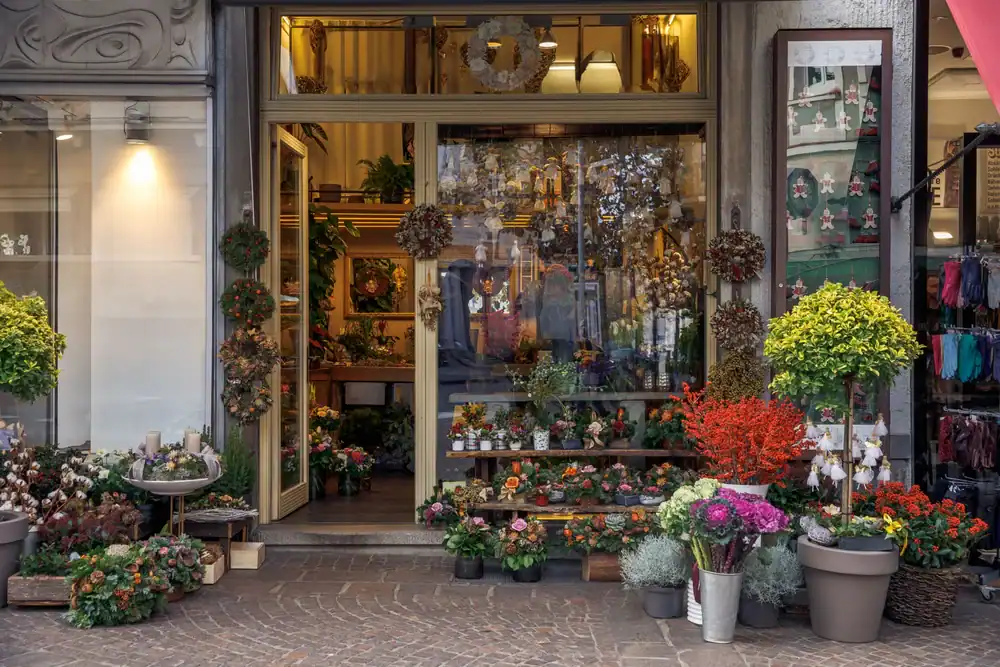
Modern doesn’t mean trendy for the sake of it. It means adapting to what actually matters now—sustainability, transparency, speed, and real artisan craftsmanship. A modern flower shop in NYC isn’t just selling bouquets. It’s solving problems you didn’t know you had.
Think about the last time you bought flowers. Did you know where they came from? How long they’d been sitting in cold storage? Whether the floral foam and plastic wrapping would end up in a landfill? Most people don’t ask these questions. But the best NYC florists are answering them anyway, building trust through transparency and delivering experiences that go way beyond “pretty flowers in a vase.” That’s the difference between a modern florist and everyone else.
Let’s talk about floral foam for a second. It’s been the industry standard for decades—convenient, sure, but also a microplastic nightmare that doesn’t biodegrade and pollutes waterways with every arrangement. The modern zero-waste floral shop won’t touch it.
Zero-waste floristry isn’t a marketing buzzword. It’s a complete operational shift that touches every part of the business. It means composting every stem, leaf, and petal instead of tossing them in the trash—some NYC shops divert over 2,000 pounds of organic waste annually to local urban farms. It means swapping plastic wrap for biodegradable alternatives like plant-based films made from cornstarch or recyclable kraft paper. It means using reusable mechanics like chicken wire, floral frogs, and willow branches to hold arrangements instead of foam blocks that crumble into microplastics.
Forward-thinking florists go even further. We source vessels from thrift stores and local ceramicists instead of mass-produced imports, giving each arrangement a unique character while reducing waste. We incorporate dried flowers and preserved foliage to extend the life of unsold blooms, creating long-lasting designs that customers actually prefer over fresh-cut arrangements that die in days. Some even use seed paper for cards—after you’re done reading, you plant it and wildflowers grow.
This approach isn’t about perfection. It’s about being intentional with every decision, from the tape you use to secure stems to the way you package a delivery. And customers notice the difference. When you choose a zero-waste florist in Midtown, you’re not just getting flowers. You’re supporting a business that actually cares what happens after the petals fall. That matters to people who want their purchases to align with their values.
The environmental impact is real, but so is the quality difference. Arrangements designed with sustainable mechanics often last longer because they allow stems to drink water naturally. Locally composted waste enriches soil for future flower crops. It’s a cycle that benefits everyone—the florist, the customer, and the planet.
Here’s something most people don’t realize: roughly 80% of flowers sold in the United States are imported, many flown in from South America. That’s thousands of miles in refrigerated cargo, days in transit, and a carbon footprint you can’t ignore. By the time those flowers reach your Manhattan apartment, they’ve already lived half their vase life.
Local flower sourcing flips that equation completely. When a NYC florist sources from farms within 200 miles—upstate New York, New Jersey, Pennsylvania—the flowers are fresher, hardier, and last significantly longer. They haven’t been refrigerated for a week. They haven’t been treated with heavy chemicals to survive international shipping. They’re cut closer to the day you receive them, which means more time actually enjoying them in your space instead of watching them wilt.
But it’s not just about freshness and longevity. It’s about supporting a regional flower economy that was nearly wiped out in the 1970s when refrigerated air shipping made it cheaper to import blooms from abroad. Local growers couldn’t compete. Now there’s a resurgence—small farms growing better-than-organic flowers with a focus on soil health, biodiversity, and sustainable practices that don’t compromise the environment. When you buy from a florist who prioritizes local sourcing, you’re helping rebuild that system one bouquet at a time.
And here’s the thing: locally grown flowers are just different. You get varieties that can’t survive long-distance shipping—delicate ranunculus with paper-thin petals, fragrant sweet peas, unusual dahlias in colors you won’t find at a supermarket. You get true seasonal availability, which means your spring arrangement looks nothing like your fall arrangement. It’s a more honest, more interesting way to work with flowers. It connects you to the place you actually live, not just a faceless global supply chain.
There’s also NYC’s historic Flower District on 28th Street in Manhattan—a century-old wholesale market where florists have sourced fresh stems since the 1890s. Knowing how to navigate that market, build relationships with longtime vendors, and hand-select the best blooms is part of what separates an experienced Midtown florist from someone just fulfilling online orders. That expertise matters when you want an arrangement that actually lasts and looks like nothing else.
Want live answers?
Connect with a Columbia Midtown Florist expert for fast, friendly support.
Technology in floristry doesn’t mean robots arranging your bouquet. It means smarter tools that enhance human creativity, reduce waste, and personalize the customer experience in ways that weren’t possible even five years ago. And yes, AI-assisted design is part of that conversation now.
Some progressive NYC florists are experimenting with AI-powered design platforms that help visualize arrangements before a single stem is cut. You describe what you want—color palette, occasion, vibe—and the tool generates concepts based on seasonal availability, flower compatibility, and proven design principles. It’s not replacing the florist’s trained eye and years of experience. It’s giving us a faster way to explore ideas, show clients realistic previews, and iterate on designs in real time during consultations.
Then there’s the backend innovation most customers never see but absolutely benefit from. Predictive analytics help florists order inventory smarter, forecasting demand based on past sales data, upcoming holidays, local events, and even weather patterns. Less overordering means less waste, lower costs, and a smaller environmental footprint. It’s the kind of operational efficiency that keeps prices reasonable while maintaining quality.
Let’s clear something up right now: AI isn’t designing your flowers. A skilled human florist is. But AI can help that human work faster, smarter, and more creatively by handling the research and brainstorming that used to take hours. It’s a tool that amplifies expertise, not a replacement for it.
Here’s how it works in practice at a modern flower shop. A customer walks in with a vague idea—”something romantic but not too traditional, maybe for an anniversary.” An AI-assisted design tool can instantly pull up visual examples, suggest flower combinations based on a database of millions of arrangements, show complementary color palettes, and even estimate costs based on what’s in season locally. We refine those suggestions with our expertise, add personal touches, and create something completely custom. The tech speeds up the exploration phase. We bring it to life with our hands and our vision.
Some platforms are trained on massive datasets—over a million flower images and metadata from botanical databases—so they understand which blooms pair well visually, structurally, and seasonally. They can recommend alternatives if a certain flower isn’t available that week. They can even prioritize locally grown options or sustainable mechanics if that’s important to the customer. It’s like having a digital assistant who knows the entire global flower catalog and can cross-reference it in seconds, but still defers to human judgment for the final design.
This technology is already being used in select NYC shops, and it’s changing how florists interact with customers. Instead of flipping through a binder of past wedding photos or scrolling Instagram for inspiration, we can generate fresh, personalized concepts on the spot during the consultation. It makes the process more dynamic, more collaborative, and way more efficient. Customers leave feeling confident that what they’re envisioning is actually achievable, not just a Pinterest fantasy.
The key is balance. Technology should enhance the artisan process, not strip the soul out of it. The best modern florists use these AI tools to push their creativity further and serve customers better, not to automate their way into generic arrangements. When it’s done right, you get designs that are both innovative and deeply personal—something a machine alone could never create, but a human with the right tools absolutely can.
One of the most interesting shifts in modern floristry is education. More NYC flower shops are offering hands-on floral workshops where you learn to design arrangements yourself, guided by professional florists. It’s not just a trendy activity for bachelorette parties—it’s a way for us to share our expertise, build community, and give people real skills they can use.
These aren’t your basic “stick flowers in a vase and call it done” classes. You’re learning actual techniques that professionals use every day. How to properly condition stems so they drink water efficiently and last longer. How to use chicken wire and floral frogs instead of toxic foam. How to build structure and movement in an arrangement. How to choose colors that actually work together instead of clashing. Whether you’re a complete beginner or someone with a little experience, there’s a workshop level that fits.
Floral workshops also demystify the entire process. A lot of people assume floristry is some kind of innate artistic talent, but it’s a skill you can learn through practice and instruction. Understanding the mechanics—the angles, the balance, the way different flowers behave as they open—gives you a completely new appreciation for what goes into a professional arrangement. And if you’re planning a DIY wedding, want to make your home feel more beautiful, or just need a creative outlet, these skills are incredibly practical and satisfying.
In NYC, you’ll find workshops covering everything from seasonal centerpieces to Ikebana (Japanese flower arranging) to guided market walks through the historic Flower District on 28th Street. Some are casual one-time evening classes where you leave with a finished arrangement and snacks. Others are intensive multi-day programs that teach you professional-level skills and give you a certificate. The point is, modern florists aren’t gatekeeping their knowledge. We’re inviting you in, showing you exactly how it’s done, and helping you develop your own style and confidence.
It’s also a smart business strategy. When customers understand the labor, skill, and thought that goes into a custom arrangement, they value it more. They stop comparing your artisan design to a $30 grocery store bouquet that was mass-produced overseas. They see the craftsmanship, the intention, the expertise. And they’re far more likely to come back—not just for the flowers, but for the relationship, the experience, and the trust they’ve built with a florist who took the time to teach them something real.
Modern floristry isn’t about chasing every fleeting trend on Instagram. It’s about fundamentally rethinking outdated systems, embracing better practices that actually work, and using new tools to create something more meaningful and sustainable. Whether it’s zero-waste operations that eliminate harmful plastics, local flower sourcing that supports regional growers, AI-assisted design that personalizes the customer experience, or hands-on workshops that share real skills—the best flower shops in NYC are proving that innovation and artisan craftsmanship can absolutely coexist.
If you’re in Midtown Manhattan and you’re looking for a florist who’s doing things differently, you’re not looking for perfection or empty promises. You’re looking for intention. Transparency about where your flowers come from and how they’re designed. A genuine commitment to quality that goes beyond the arrangement itself and extends to environmental impact, community education, and customer relationships. That’s what separates a modern flower shop from the wire services and big-box stores still operating like it’s 1995.
That’s exactly what we represent at Columbia Midtown Florist—bringing that forward-thinking vision to life in the heart of NYC, one thoughtfully designed, sustainably sourced bouquet at a time.
Summary:
Article details:
Share: